

Connect with others who understand.

  • Learn from expert-reviewed resources
  • Real advice from people who’ve been there
  • People who understand what you’re going through
Sign Up Log In
Powered By
Real members of MyMigraineTeam have posted questions and answers that support our community guidelines, and should not be taken as medical advice. Looking for the latest medically reviewed content by doctors and experts? Visit our resource section.
May 21
 · 
Reactions
A MyMigraineTeam Member

Hi Michelle, I have a similar problem- Chronic migraine and Anxiety. What helps me is noise-cancelling head phones. And practice stress reducing techniques, such as deep breathing.

May 24
A MyMigraineTeam Member

Hi, I wear ear plugs constantly!

May 25
MyMigraineTeam

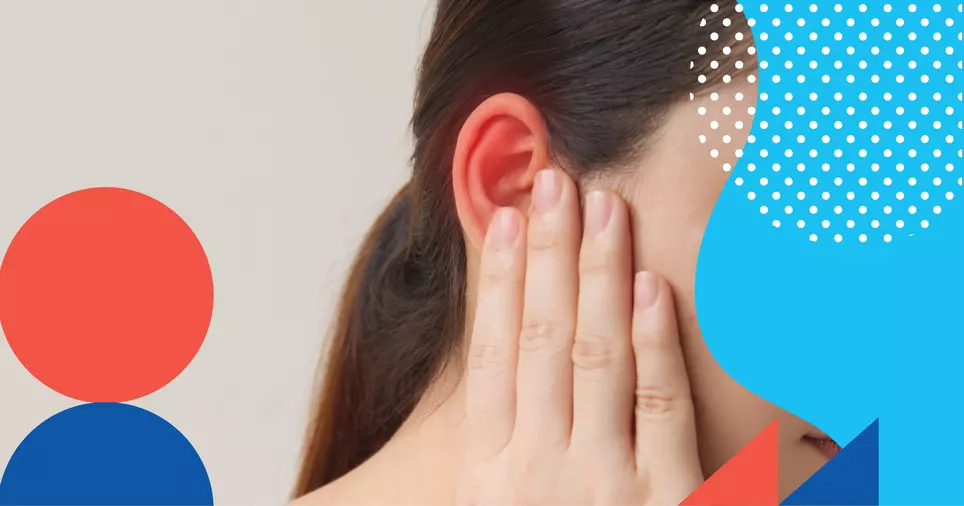
Sound sensitivity (also called phonophobia) is very common with migraines — up to 80% of people with migraines experience it. The good news is that there are ways to manage and potentially reduce it over time.

The most effective long-term approach is working with a headache specialist to find a strong preventive migraine Show Full Answer

Sound sensitivity (also called phonophobia) is very common with migraines — up to 80% of people with migraines experience it. The good news is that there are ways to manage and potentially reduce it over time.

The most effective long-term approach is working with a headache specialist to find a strong preventive migraine treatment plan. When migraines are better controlled, sound sensitivity often improves along with them. In the meantime, some practical strategies that can help include:

- Wearing earplugs in loud environments like concerts or busy restaurants
- Taking quiet breaks during noisy events
- Sitting further back at movies or shows to reduce sound intensity
- Using background noise (like soft classical music) to mask jarring sounds — a MyMigraineTeam member shared this actually helps them cope with constant ear ringing
- Giving yourself quiet recovery time after a noisy day

Keeping a migraine diary can also help identify whether specific sounds are acting as triggers, so patterns can be spotted and managed more proactively. It's worth discussing sound sensitivity with a healthcare provider, especially if it's significantly affecting quality of life. They can explore treatment options tailored to the situation.

May 21
A MyMigraineTeam Member

Hi! I’m brand new to this group, but I have never met anyone else who is noise sensitive and I’d love to follow this thread and see if anyone has suggestions. I wear ear plugs constantly because life feels impossible with the existence of noise. If you have any other tips, I’d love to hear them!

June 2
A MyMigraineTeam Member

I suffer from migraines and have issues with loud noises and loud music. I also have problems with people whistling. and some people's voices. On Fox Business. they have one anchor, Taylor Riggs, that I have to mute often, because her voice gets on my nerves. I don't know if this is related to my migraines. I have been this way even during my childhood but no one ever addressed the issue. It was only addressed a few years ago. Fortunately, a nurse practioner at a neurologist's office finally got to the bottom of the problem!!!


June 1

Related Questions

View All
A MyMigraineTeam Member asked a question 💭
Souderton, PA

A MyMigraineTeam Member asked a question 💭
Baton Rouge, LA

A MyMigraineTeam Member asked a question 💭
New Brunswick, NJ

Continue with Facebook
Continue with Google
By joining, you accept our Terms of Use, and acknowledge our collection, sharing, and use of your data in accordance with our Health Data and Privacy policies.
Already a member? Log In