Getting ahead of a barometric pressure-triggered migraine is all about preparation and early action. The good news is there are several practical strategies that can help reduce the impact.
Here are the key approaches:
- Monitor weather forecasts — Use a weather app or barometer to track pressure changes. Knowing a storm Show Full Answer
Getting ahead of a barometric pressure-triggered migraine is all about preparation and early action. The good news is there are several practical strategies that can help reduce the impact.
Here are the key approaches:
- Monitor weather forecasts — Use a weather app or barometer to track pressure changes. Knowing a storm is coming gives you a head start to act early.
- Stay hydrated — Dehydration can worsen pressure-related migraines, so drink plenty of water, especially when weather shifts are on the way.
- Manage stress — Relaxation techniques like deep breathing, meditation, or yoga can lower your body's sensitivity to triggers like pressure changes.
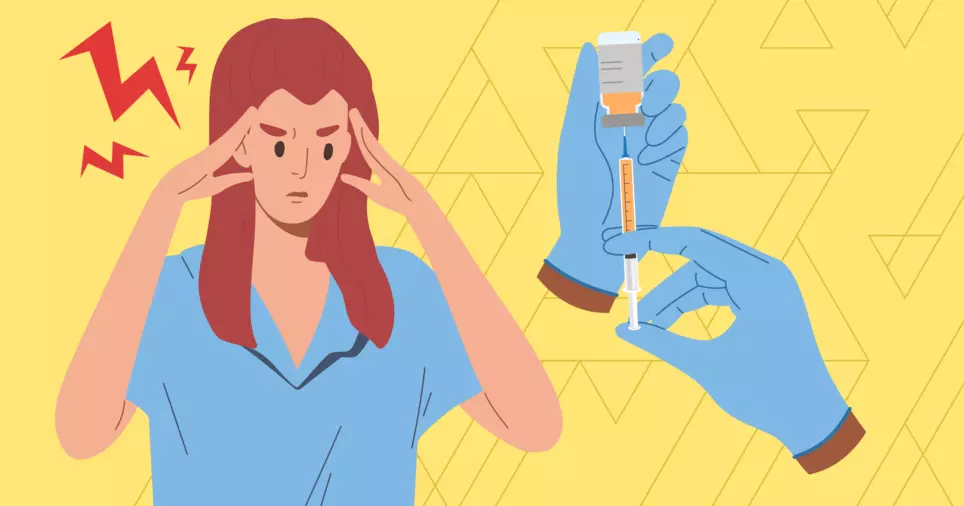
- Take medication early — If you feel a migraine coming on, taking an over-the-counter pain reliever or a prescribed triptan early can help stop it in its tracks. Always follow your doctor's guidance on dosing.
- Ask about preventive medications — If barometric pressure is a frequent trigger, talk to your doctor about preventive treatments that may reduce how often or how severely migraines hit.
Keeping a migraine journal that includes air pressure levels can also help identify patterns over time, making it easier to predict and prepare for future attacks. Sharing those patterns with your doctor can lead to a more personalized action plan.
August 14





 Continue with Facebook
Continue with Email
Continue with Facebook
Continue with Email

 Join
Join





 Your Privacy Choices