
Powered By



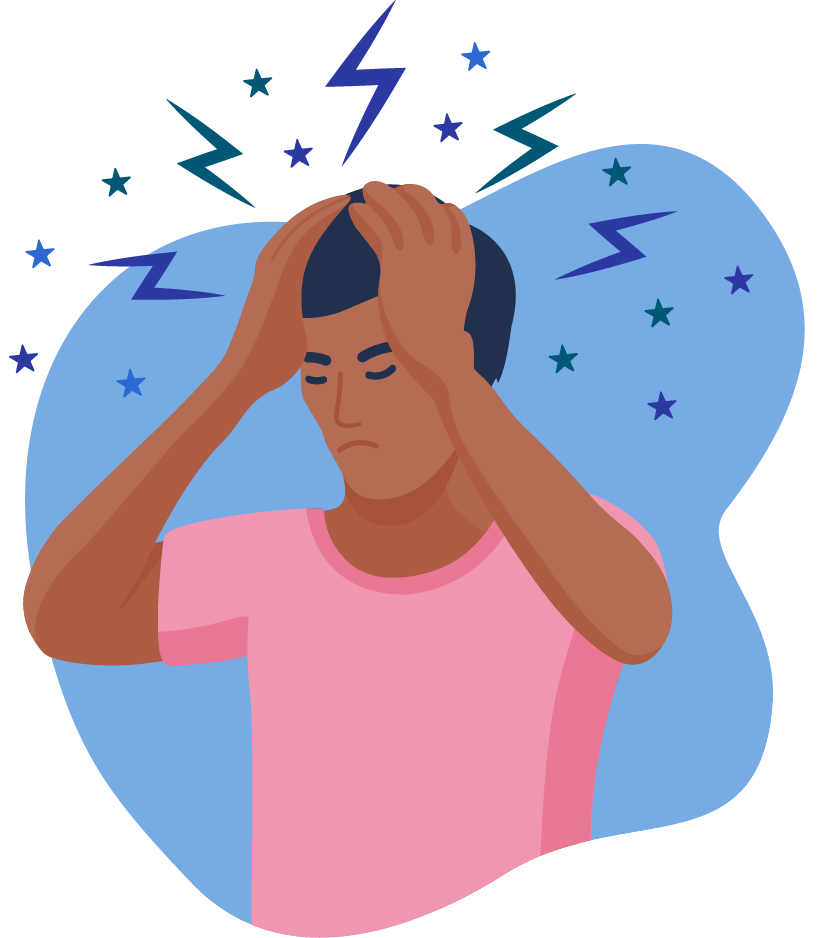
It’s easy to fall into a cycle of stress and pain. Stress can lead to pain, which in turn can cause more stress, and the cycle goes on. Stress is one of the most common triggers of migraine attacks. One member of MyMigraineTeam found this to be true.
They shared, “We are under a tremendous amount of stress right now. I’ve been having more migraines than normal.”
Managing stress can be hard, especially when you’re stuck in a cycle like this. Some research suggests that people with migraine who are more resilient to stress may cope better and may have lower depression levels and better well-being.
If high stress levels trigger your migraine attacks, lifestyle changes may help lower your stress and reduce your attacks. You may need to try several strategies or combine a few to find what works best for you.
Meditation is a broad category that includes many different practices. Some of these involve mindfulness (focusing on the present). Others use breathing or visualizing exercises. One MyMigraineTeam member who has tried a few of these noted, “Meditation works for me, and so does stopping to count my deep breaths.”
About 92 percent of people who practice mindfulness meditation say they do it to reduce stress. Some evidence supports that mindfulness can lower stress, but more research is needed to understand how and how well it works.
If you want to try meditation, choose any method that works for you. Walking meditations, mindful eating, and body scans are all ways to focus your mind that may not seem like typical meditation practices. A body scan is a technique where you focus on how different parts of your body feel.
Meditation may not be relaxing for you, and that’s OK. Different techniques work for different people.

“I have found that a lot of things they have me do to calm my stress (belly breathing and progressive muscle relaxation) have helped a lot to relax even on the most severe days.”
There are many different relaxation techniques. You can use apps and other online tools to learn them. Some of the most common ones include:
If these techniques don’t work for you, think about the last time you truly relaxed and try to recreate that feeling. It doesn’t have to be perfect — it just needs to help you relieve some stress.
Practicing gratitude has been shown to improve mental health and increase positive emotions. Positive thinking, like gratitude, can lower stress levels and even pain. One theory is that this mindset can help you better manage stressful situations, reducing the toll stress takes on your body.
Practicing gratitude can look different for everyone. For example, you can make a habit of writing about what you’re grateful for. Or you can try to actively thank people more often, practicing gratitude in the moment. You could also choose to fall asleep or wake up thinking about what you’re grateful for.
Pushing beyond what’s safe and healthy for your mind and body can create a lot of stress. Take some time to understand what’s a priority for you right now, then say no to commitments that aren’t on that list. Communicate assertively about what you are and aren’t willing to do to make your boundaries clear. Being straightforward about what you can and can’t do and how you feel can help you build confidence, have less anger, and lower your overall stress.
If your to-do list still feels overwhelming, be realistic about what you can accomplish given your time and energy. You may need to postpone some of your priorities, which can be frustrating. However, you're more likely to be productive when you feel your best, which is certainly not during a migraine attack.
Set aside time in your schedule for what matters to you, like hobbies, relationships, and self-growth. Doing activities you enjoy, even if it’s for just a few minutes a day, can help you feel better and have a higher quality of life. This can be anything from reading to watching comedy videos or playing outside with your dog. Spending time on activities you enjoy can also give you a break from other sources of stress.
If you prioritize time with other people, this may come with added stress-reducing benefits. One MyMigraineTeam member spoke of the benefits of “chatting with a trusted friend who understands what I’m experiencing — emotional pain alleviated by talking/venting.” When life seems heavy, friends and family members can help bear the weight.
Poor sleep is associated with higher anxiety and depression rates, as well as with more migraine attacks. Not getting enough sleep or not getting quality sleep makes it harder for your body to cope with stress. Sleep also helps your body process stressful events after they happen.
Several MyMigraineTeam members have experienced this connection. One explained, “I’m really thinking my migraines are stress/sleep related. The more stressed I am, the less I sleep and the more frequent the migraines … So I’m trying to get rid of stress.”
If you want to sleep better, avoid screens for 30 minutes before bedtime, cut back on caffeine, exercise daily, and go to bed at the same time every night. If you’re still struggling with your sleep, seek medical advice from a neurology-focused healthcare provider or sleep specialist.
Watching the news can be stressful. Limiting the time you spend taking in news-related content can help you experience less stress. You may need to set timers to remind yourself to turn off the TV or stop scrolling.
Some people find other types of television programming stressful, too. They might get caught up in stories and subconsciously absorb others’ feelings. One MyMigraineTeam member said, “If I’m watching TV, I’ll pick up on the emotions that are being transmitted. It just makes everything so much harder, and a lot of the time it makes my migraines worse, or makes them more frequent because I’m going through all these emotions.”
Anxiety happens when your body reacts to a perceived stressor. You can feel anxious even though there isn’t a current threat.
If stress has crossed into anxiety for you, it may be time to seek professional help. A mental health provider can create a custom treatment plan that may include therapy, medication, or a combination of both. These could help relieve the stress response that leads to your migraine attacks.
On MyMigraineTeam, people share their experiences with migraine, get advice, and find support from others who understand.
How have you practiced stress management to reduce your migraine attacks? Let others know in the comments below.
Are your headaches a symptom of migraine? Get a quick assessment.
Get updates directly to your inbox.





 Continue with Facebook
Continue with Email
Continue with Facebook
Continue with Email
Continue with Facebook
Continue with Email
Continue with Facebook
Continue with Email
Become a member to get even more





 Join
Join



 Your Privacy Choices

This is a member-feature!
Sign up for free to view article comments.
I Know Some Of My Migraines are caused from being a parent to my 92 year old Mother in law and her son my husband
We'd love to hear from you! Please share your name and email to post and read comments.
You'll also get the latest articles directly to your inbox.