
Powered By



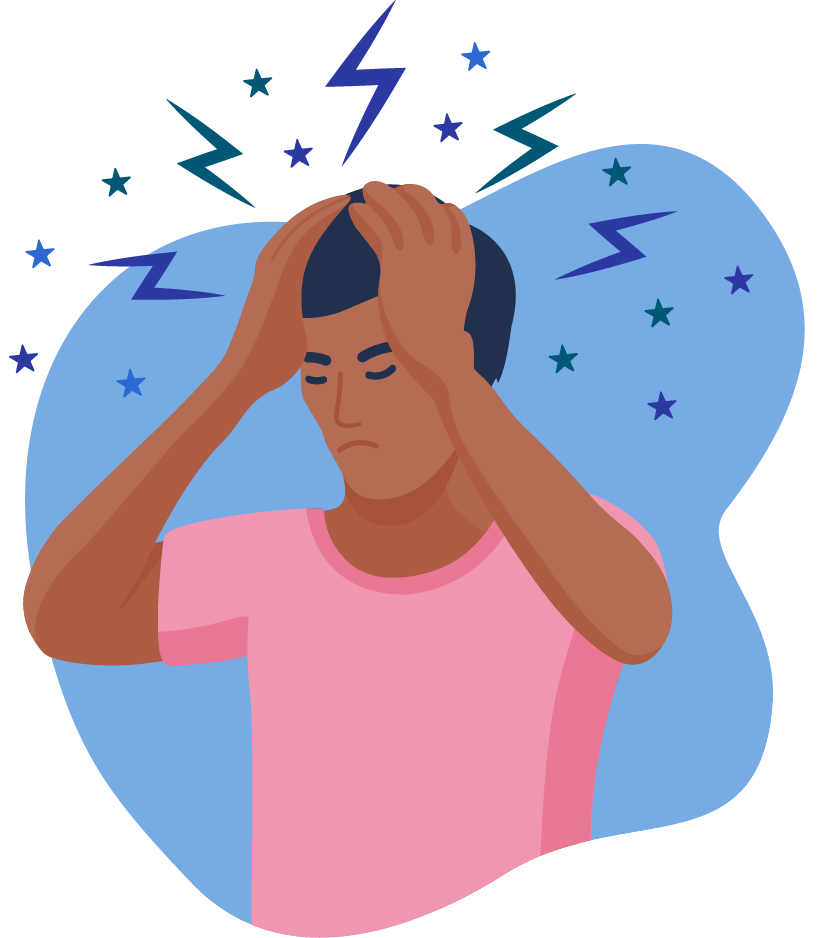
If you’re upset, the last thing you need is a migraine attack. But unfortunately, migraine symptoms may get worse when you’re in tears.
“I noticed in the past couple of years that crying triggers some of my worst migraine symptoms, which isn’t terribly fair,” one MyMigraineTeam member said.
Learn how crying may be linked to migraine attacks and what may help.
Some people find that certain factors may trigger a migraine attack. For instance, you may find your migraine symptoms are worse during humid weather or when you eat chocolate.
Crying isn’t one of the most common migraine triggers, but some researchers have studied whether it can bring on a migraine.
One older study, conducted in 2003, evaluated 163 people with migraine or tension headaches. The study authors found that 55 percent of participants said crying triggered migraine attacks for them.
Several MyMigraineTeam members say this has been the case. “Another headache from crying so darn much!” one said.
Someone else replied, “Crying triggered my migraine attack to come roaring back after I thought it was gone.”
More studies are needed to further evaluate the link between crying and migraine attacks. But crying may occur alongside stress, congestion, sleeplessness, or other possible triggers that are known to cause attacks.
Stress is one of the most common migraine attack triggers. Many people cry when they’re stressed. When emotional stress builds up, it can overload parts of your brain. In people with migraine, this buildup of intense emotions can trigger an attack.
Crying isn’t always due to stress. Emotional tears may actually help improve your mood. Researchers think crying may help release stress hormones.
Unfortunately, this can also trigger a migraine attack. As the body decompresses from stress, people with migraine may have what’s called a letdown headache.
In addition, some people cry because of hormonal shifts. Hormone fluctuations, such as those during menstruation or menopause, may trigger migraine attacks. These shifts can also make some people more likely to cry.
Crying is also common in people who are sleep-deprived. If you don’t get enough sleep, you may also be at higher risk of having a migraine attack.
Crying doesn’t just affect you emotionally. It can also cause physical changes, which may lead to migraine headaches and other symptoms.
Structures inside your nose, called turbinates, may swell up when you cry. This can cause nasal congestion. For some people, congestion is a migraine trigger.
It also takes at least six facial muscles to cry. Muscle tension in the head and neck can trigger a migraine attack or tension-type headache in some people.
Crying can leave you feeling worn out, and fatigue can trigger migraine attacks for some people.
You may find other links between migraine attacks and crying. For instance, some people cry so much that they can feel dehydrated. Dehydration is a common migraine trigger.
Migraine involves autonomic-nervous-system dysregulation. Crying can further affect heart rate, blood pressure, and muscle tone, which may push the body toward a migraine attack.
If crying is a migraine trigger, it may help to find ways to lower your risk of an attack. Some lifestyle changes may help prevent or ease a migraine attack and improve your quality of life:
Talk to your neurologist or another healthcare provider if crying triggers your migraine attacks. They can offer medical advice and lifestyle tips to help reduce your symptoms and improve how you feel.
On MyMigraineTeam, people share their experiences with migraine, get advice, and find support from others who understand.
Do you ever get a migraine attack after crying or while you’re crying? Let others know in the comments below.
Are your headaches a symptom of migraine? Get a quick assessment.
Get updates directly to your inbox.





 Continue with Facebook
Continue with Email
Continue with Facebook
Continue with Email
Continue with Facebook
Continue with Email
Continue with Facebook
Continue with Email
Become a member to get even more





 Join
Join



 Your Privacy Choices

This is a member-feature!
Sign up for free to view article comments.
We'd love to hear from you! Please share your name and email to post and read comments.
You'll also get the latest articles directly to your inbox.