
Powered By



When you live with migraine, you come to learn what may increase your chance of an attack. These are called triggers, and while they don’t directly cause migraine, they may make you more sensitive to an attack.
Triggers can be different for everyone and can vary based on environment, lifestyle, weather, diet, stress, and so much more. In this article, we’ll explore some common migraine triggers and what you can do to prevent them.
Understanding your personal triggers is the first step toward better migraine management. Here are some of the most common triggers to watch for.
Certain foods and beverages may contribute to migraine attacks. Some common examples include:
Not drinking enough water or other fluids can cause dehydration and result in migraine attacks. Severe dehydration can cause dizziness and confusion and may require urgent medical attention.
A member of MyMigraineTeam shared, “I have to watch my caffeine intake. Too little or too much triggers mine. When I am working it is not a problem, but during the summers (I am a teacher) and weekends, I have to be very vigilant.”
Many people experience migraine when the weather changes. These weather changes may include exposure to hot or cold temperatures, high humidity, storms, and drops or rises in air pressure known as barometric pressure. Although the weather is out of our control, it may be helpful to know how certain weather conditions affect you so you can plan ahead.
“Weather is definitely a trigger!” said another MyMigraineTeam member. “If I’m out and it turns hot, the sun will trigger a killer migraine attack! Humidity and warm weather also make my head feel heavy! I have a cold pillow which helps ease the pain.”
Hormone shifts may affect migraine, particularly changes in estrogen or progesterone levels. Because of this, women are more likely to have migraine than men. Changes in hormones around menstrual periods or menopause may often trigger a migraine attack.
Getting too little sleep, sleeping too much, or changing your sleep schedule may also trigger migraine attacks. Going to bed and waking up around the same time each day may help you.
Stress is one of the most common migraine triggers. In fact, the American Migraine Foundation reports that roughly 70 percent of migraine attacks are caused by stress. You may notice your migraine attacks occur when you’re experiencing stress or shortly after a stressful period.
Bright lights, loud sounds, and strong smells are commonly reported sensory triggers for migraine attacks. These sensory inputs can also worsen an attack that’s already started.
Light sensitivity is especially common in people with migraine. This is referred to as photophobia. Fluorescent lights, flickering light bulbs, and even natural sunlight may trigger an attack or increase the severity of migraine symptoms. Long periods of screen usage can also increase the risk of migraine attacks for some.w
Strong smells are another common sensory trigger. Sensitivity to odors is known as osmophobia. Certain smells, such as perfumes, cleaning products, smoke, and chemicals, may activate nerve receptors in the nose and trigger an attack.
Many people find they are more sensitive to light, sound, and smells during a migraine attack. This can make it difficult to tell whether sensory inputs are true triggers or just early warning signs that an attack is starting.
Some people have migraine with aura: short-lasting neurological symptoms that appear before or with the headache. This may include temporary visual symptoms like vision loss, blind spots, or seeing stars. It can also cause other temporary disturbances like hearing loss, muscle weakness, or trouble speaking. Aura migraine triggers often overlap with other types of trigger.
Keep in mind that triggers are different for everyone. What causes a migraine attack for someone else may not affect you.
Additionally, a single trigger may be enough to cause someone a migraine attack, while it may take a combination of different triggers at once for someone else to experience an attack. For example, not getting enough sleep during a time of stress, combined with a weather change may lead to an attack even if none of those factors would trigger one on their own. This is sometimes referred to as reaching your migraine threshold.
To determine what may trigger your migraine attacks, it can be helpful to keep a migraine diary. The information you jot down can help you and your healthcare providers see patterns over time and make a plan for how to avoid your potential triggers, whether through lifestyle changes or adjustments to your current migraine treatment plan.
A simple migraine or headache diary might include:
“I tried to keep a diary for a while to record what was going on when I would get a really bad migraine, and I found a connection to corn,” mentioned one member of MyMigraineTeam. “I found other triggers, such as loud bass (thumping noise), high pitched noises, strobing lights, narrow stripes on clothes or pictures, milk products, cheap cologne, and bleach, to name a few.”
Your migraine diary doesn’t need to be perfect. Keeping a short list of notes on your phone or simply jotting things down on a piece of paper can be helpful. You can also download one of the many migraine apps available, which let people track their headaches more easily and learn simple ways to manage them.
While you can’t avoid every trigger, some small steps may help you improve your general well-being.
Before making any major changes to your diet or lifestyle, be sure to discuss them with your healthcare provider first. Even though it’s impossible to control every trigger, being proactive about the ones you can manage may help reduce your overall migraine frequency.
Living with migraine sometimes means figuring out your own patterns. By identifying your personal triggers and taking steps to manage them when possible, you can work toward fewer attacks and a better quality of life. Remember, you don’t have to be alone on this journey. Connecting with others who also experience migraine attacks and working closely with your healthcare team can help you feel more supported.
On MyMigraineTeam, people share their experiences with migraine, get advice, and find support from others who understand.
What’s the most surprising migraine trigger you’ve discovered, and how do you manage it? Let others know in the comments below.
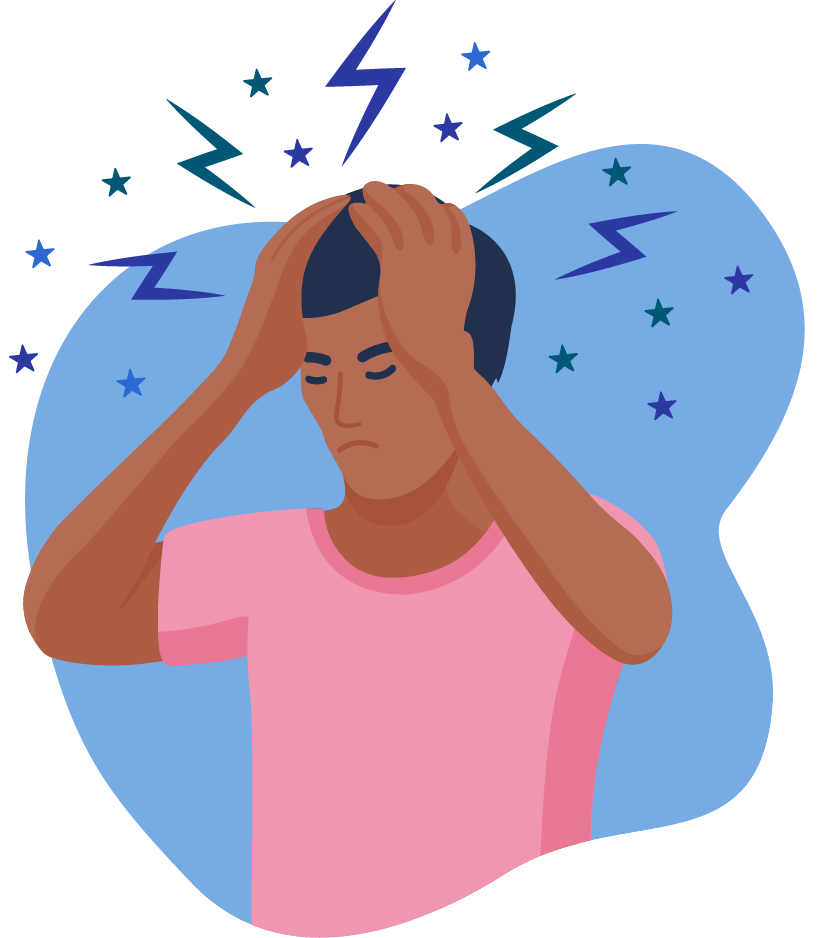
Are your headaches a symptom of migraine? Get a quick assessment.
Get updates directly to your inbox.





 Continue with Facebook
Continue with Email
Continue with Facebook
Continue with Email
Continue with Facebook
Continue with Email
Continue with Facebook
Continue with Email
Become a member to get even more





 Join
Join



 Your Privacy Choices

This is a member-feature!
Sign up for free to view article comments.
I alway like to pat myself on the back for being pretty accurate about the hints that I’m getting a migraine. Two days ago I got totally duped! Started with horrid nausea, which I couldn’t figure… read more
We'd love to hear from you! Please share your name and email to post and read comments.
You'll also get the latest articles directly to your inbox.