
Powered By



If you’ve noticed something different about your migraine attacks since contracting COVID-19, you might be on to something. Headache, often with migraine-like features, has been reported as a symptom of long COVID.
“I have long COVID, which seems to make the migraines worse!” said a member of MyMigraineTeam. Another said, “I’ve been diagnosed with long COVID migraine that occurs monthly since I first got COVID in 2022.”
Keep reading to learn what researchers know so far about the possible connection between migraine and long COVID.
Long-haul COVID, post-COVID, or simply long COVID can happen after a probable or confirmed COVID-19 infection.
The World Health Organization (WHO) defines long COVID as symptoms that usually appear within three months of a COVID-19 infection, last for at least two months, and can’t be explained by another diagnosis.
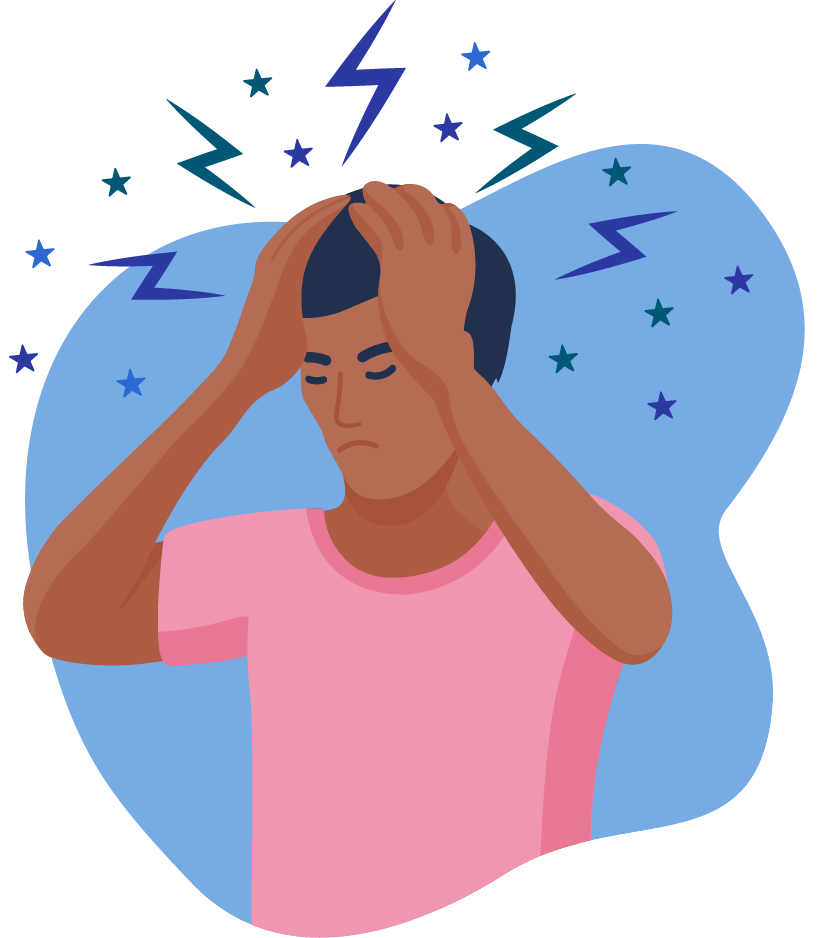
Headache has been reported as a symptom of long COVID. Some people report a new daily persistent headache, while others say their existing migraine symptoms are worsening.
Long COVID headaches can be different for everyone. They may feel like tension-type headaches, with tight pressure around the head. They may also be migraine-like, with throbbing or pulsing pain. Some people report a daily headache called new daily persistent headache.
Long COVID headaches often happen with other symptoms like fatigue, brain fog, sleep problems, dizziness, or muscle pain.
Migraine is a separate medical condition. Unlike some headaches linked to long COVID, a migraine attack may happen with aura, sensitivity to light or sound, nausea, or vomiting. Migraine often causes pain on one side of your head, while long COVID headaches may affect both sides.
In people with long COVID, headaches can show up as either:
That means you may have had only occasional headaches or an episodic migraine before getting COVID-19. Afterward, you may have had headaches that lasted longer. If you already had migraine, your headaches may have become more painful after a COVID-19 infection.
Researchers don’t yet know exactly how COVID-19 may lead to headaches, but they have a few theories. SARS-CoV-2, the virus that causes COVID-19, may trigger headaches by:
Some research suggests that genes may make certain people more likely to develop headaches after a COVID-19 infection.
Research on this topic is limited. Many studies on the connection between headaches and COVID-19 were done early in the pandemic, so they may not include newer variants of the virus.
Researchers also need more studies that follow people over time to see how long COVID affects headaches and migraine. This type of research may help doctors better understand the link between long COVID, headaches, and migraine that started before COVID-19.
Researchers are also still trying to learn who is most at risk, why these headaches happen, and how best to treat people with long COVID headaches.
If you’ve recently started having headaches or your migraine symptoms have gotten worse, talk to your doctor. Monitor your symptoms, and consider creating a symptom log that you can take with you to your next appointment.
On MyMigraineTeam, people share their experiences with migraine, get advice, and find support from others who understand.
Do you have long COVID and migraine? Let others know in the comments below.
Are your headaches a symptom of migraine? Get a quick assessment.
Get updates directly to your inbox.




 Continue with Facebook
Continue with Email
Continue with Facebook
Continue with Email
Continue with Facebook
Continue with Email
Continue with Facebook
Continue with Email
Become a member to get even more





 Join
Join


 Your Privacy Choices

This is a member-feature!
Sign up for free to view article comments.
Since COVID my migraine got more frequent, to the point l was getting them alot more than before , this year I only had one back at the end of June , think was caused by the heatwave as l was at a… read more
We'd love to hear from you! Please share your name and email to post and read comments.
You'll also get the latest articles directly to your inbox.