
Powered By



As most people with chronic migraine know, migraine attacks can come with a wide range of symptoms beyond headaches. For some, ear pain or pressure is a key warning sign that a migraine attack is about to start.
As one MyMigraineTeam member shared, “My first sign of migraine coming is that my left ear will start throbbing! It hurts so bad.”
If you live with chronic migraine, you may or may not notice ear-related symptoms like ear pain or tinnitus (ear ringing) during a migraine aura or a migraine headache. Although these symptoms can be directly related to migraine, they can also happen for separate, unrelated reasons.
Here’s what to know about migraine-related ear pain and how MyMigraineTeam members describe it.
Research shows that ear pain can be a migraine symptom, even though it isn’t one of the most common ones. In one study examining migraine attack symptoms, ear pain and other ear symptoms, like ear pressure and sound sensitivity, affected over one-third of participants.
Ear pain and pressure are recognized symptoms of migraine attacks. But in the past, doctors may have misdiagnosed them as being related to other causes, such as sinusitis or ear infections.
Ear pain or pressure can start during a migraine or just before one begins. It does not damage the ear, and it usually improves with migraine treatment, whether that treatment is used to prevent migraine or stop an attack.
In a study of people with unexplained ear pain, 71 percent of participants were diagnosed with migraine. This is higher than the general population, given that in 2015, just over 15 percent of people in the United States had migraine.
The study also showed that participants’ ear pain often appeared in response to triggers, just like migraine headaches themselves.
Some of the most common triggers included bright lights, changes in body position, and shifts in barometric pressure.
Vestibular migraine is a specific type of migraine attack that affects your sense of balance. Vestibular migraine attacks can come with a few typical migraine attack symptoms, like light sensitivity and sound sensitivity. But they usually don’t cause head pain.
Ear pain, ear pressure, and ear ringing are all symptoms that can happen during a vestibular migraine attack. Because vestibular migraine attacks relate to the balance system in your inner ear, they also commonly cause vertigo and related sensations. Vertigo makes it feel like you’re spinning or moving, even when you’re completely still.
Vestibular migraine attacks may or may not happen in response to triggers like head movements or looking at moving objects. Sometimes, they happen spontaneously, without a clear cause.
Migraine with aura can cause a range of symptoms leading up to the headache phase, though some people don’t experience a headache after a migraine aura.
Although ear pain and pressure aren’t common aura symptoms, some people may experience adjacent symptoms like hearing loss or ringing or buzzing in the ears during this phase.
On MyMigraineTeam, members discuss and compare their experiences with ear pain and pressure. Their descriptions can give you an idea of what ear pain or pressure feels like during a typical migraine attack or a vestibular migraine episode.
One member described how their ear pain starts and progresses. “I get a sharp shooting pain behind my left ear that goes from the base of my ear all the way around to the top. Hurts even more when cold or even a breeze hits my ear,” they shared.
Another member described how their pain seems to shoot through their neck, ears, and head. “I’ll have sharp, intense pain from my neck shooting up through the side and top of my head on either side of my head and into my ears.”
Some members have mentioned symptoms that tend to appear alongside ear pain during migraine attacks, like the sensation of heat coming from the ear that hurts.
“My ear starts aching and feels hot,” said one member. Another member described a similar experience, asking, “Does anyone experience their ear getting hot and turning red?”
Another member described ear pressure accompanied by eye swelling. “I have pressure often, and the right side of my face and right ear hurt. My eyes swell (I look drunk), and lately I have developed tremors in my hands.”
Not all ear pain is the same. Some ear pain may start inside the ear, which is called primary ear pain. But in other cases, ear pain is linked to medical conditions outside the ear. This is called secondary ear pain.
If your doctor determines your ear pain isn’t a migraine attack symptom, it may be caused by some other condition affecting the ear, jaw, or another part of your body.
If you have primary or secondary ear pain, there may be some clues that it’s due to something other than migraine. Your doctor will ask you to describe any other symptoms you experience with it. They may then diagnose you with a condition that caused your ear pain.
Temporomandibular joint disorder (TMJ) is a common cause of secondary ear pain. Sometimes, the result of teeth grinding (bruxism), TMJ involves dysfunction and pain of the joints that control your jaw.
Pain from the jaw can feel like ear pain because your temporomandibular joints are just below your ears. Your ear pain may actually be TMJ if you also experience jaw stiffness or locking, clicking, or grating jaw movements, and jaw pain while chewing.
An ear infection, also called acute otitis media or otitis externa (swimmer’s ear), is an example of a primary cause of ear pain. Ear pain from an ear infection shouldn’t last longer than three days.
Ear infections are far more common in children than adults and can come from various viruses and bacteria. Your ear pain may be from an ear infection if it also comes with ear drainage, ear fullness, and ear pressure, or if you recently had a cold or sinus infection.
Dental (tooth and gum) issues can also cause secondary ear pain. If you have a toothache, for example, you may feel pain in your ear as well as your tooth and jaw.
You might be able to spot visible tooth damage or common symptoms of a dental problem with your ear pain, like swollen gums or tooth sensitivity.
Injuries to different parts of your ear can cause primary ear pain. A ruptured eardrum, for example, can cause ear pain with hearing loss, tinnitus, or fluid draining from the affected ear.
Earaches can also come from earwax buildup, a foreign object stuck in your ear canal, or trauma from air pressure changes.
If you have ear pain during migraine attacks, talk to your healthcare provider. To see whether your ear pain is linked to your chronic migraine, your doctor may encourage you to track when your migraine attacks happen, which symptoms you have, and any possible migraine triggers that cause headaches with earache.
Be sure to mention if your symptoms happen after specific circumstances, such as feeling stressed, eating certain foods, experiencing weather changes, or not getting enough sleep. That way, your migraine specialist can better determine what’s causing your symptoms.
On MyMigraineTeam, people share their experiences with migraine, get advice, and find support from others who understand.
How have you managed ear pain while living with migraine? Let others know in the comments below.
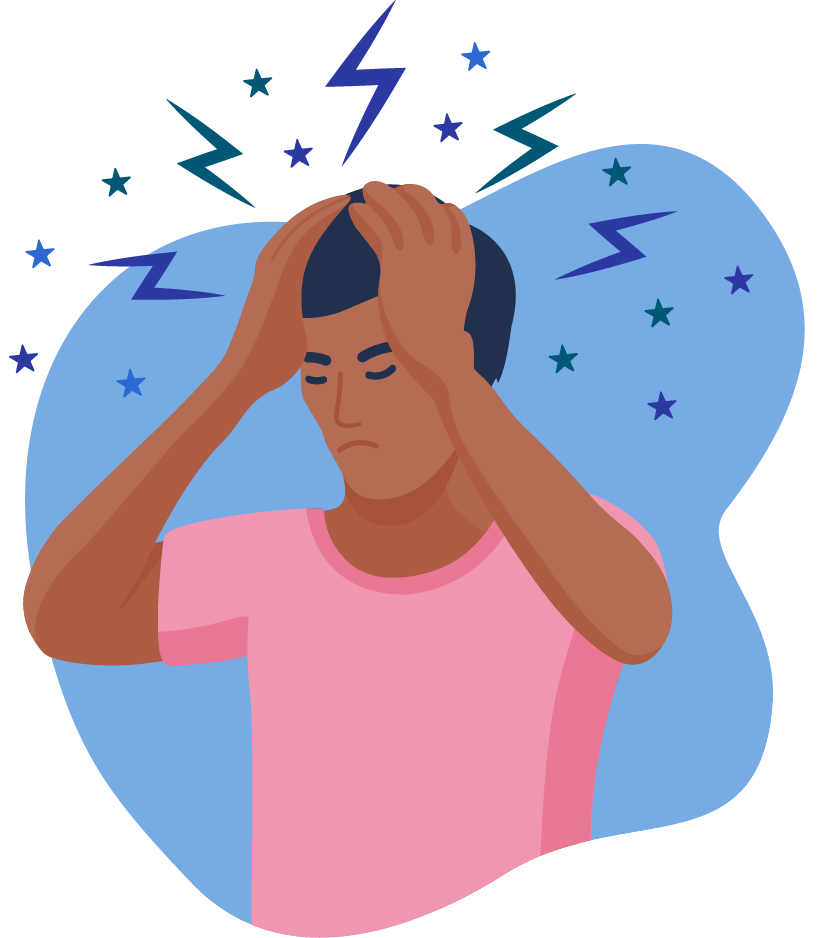
Are your headaches a symptom of migraine? Get a quick assessment.
Get updates directly to your inbox.


Where can I get a handicap tag?

 Continue with Facebook
Continue with Email
Continue with Facebook
Continue with Email
Continue with Facebook
Continue with Email
Continue with Facebook
Continue with Email
Become a member to get even more





 Join
Join



 Your Privacy Choices

This is a member-feature!
Sign up for free to view article comments.
How can you help someone that has Vertigo
We'd love to hear from you! Please share your name and email to post and read comments.
You'll also get the latest articles directly to your inbox.