
Powered By



Is ringing in your ear driving you up a wall? If so, you’re not alone. This condition is called tinnitus, and it’s pretty common, especially for people with migraine.
In fact, individuals with migraine are about twice as likely to have tinnitus compared to people without migraine. Here are some different ways these conditions may overlap and what you can do to get relief.
Tinnitus happens when you hear an ongoing sound that others can’t hear. It’s not caused by noises in your environment. Instead, the sound is just “in your head.” Tinnitus symptoms can range from mild to severe.
Tinnitus is usually referred to as ringing in the ears, but some people may also hear other sounds, such as:
This constant background noise may come and go. It can affect both ears or just one.
Some people may experience a unique form of tinnitus called pulsatile tinnitus. This causes pulsing or whooshing sounds in rhythm with your heartbeat. Your healthcare provider may be able to hear this type of tinnitus during exams.
Several issues can cause tinnitus, including:
Migraine, autoimmune diseases, high blood pressure, and diabetes can also raise the risk of tinnitus. According to Mayo Clinic, tinnitus is more common with age, especially for men with a history of smoking, alcohol use, or working in noisy environments.
Migraine and tinnitus have quite a bit in common. Here’s why you could experience tinnitus during the different stages of a migraine attack.
Tinnitus can lead to issues that are often considered migraine triggers. People with tinnitus may be more likely to have high stress and poor sleep, for example.
Loud sounds can be triggers for both tinnitus and migraine, so some people may need earplugs. Barometric pressure shifts and weather changes may also trigger both tinnitus and migraine.
Food is another link between these conditions. Some researchers believe the food additive glutamate (as in monosodium glutamate, or MSG) and tyramine (a compound found in aged and fermented foods) contribute to tinnitus and migraine attacks. These two factors may increase the risk of both conditions for some people.
About 30 percent of people with migraine have a brief stage of symptoms before an attack, called the aura phase. Aura is when sensory changes, including tinnitus, are most common.
Typically, an aura lasts about an hour and happens before the migraine headache strikes. Sensitivity to sounds may continue throughout the migraine episode and the period that follows.
Some people only have aura symptoms, like tinnitus, and no head pain after. This condition is called silent migraine.
Migraine attacks can lead to temporary changes in hearing. The trigeminal nerve is responsible for sending signals from the face to the brain.
During a migraine attack, this nerve may become overactive and change blood flow to the inner ear. As a result, some people have impaired hearing during migraine attacks, and symptoms like tinnitus get worse.
Vestibular migraine is a subtype of migraine that affects the balance centers in the inner ear. The most common symptom is dizziness, but tinnitus is also possible.
Migraine doesn’t affect everyone the same way. While some people with migraine have ringing in their ears, it doesn’t happen to everyone.
If tinnitus happens around the same time as your migraine attacks, there’s a good chance the two are related. This is especially true if it’s a pattern you’ve noticed more than once.
“Terrible back pain, and the tinnitus has been just awful today,” said a MyMigraineTeam member. “That’s always a sign I’ve got a bad migraine around the corner.”
There’s also a chance that tinnitus isn’t related to your migraine attacks, even if they happen around the same time, especially if it is only on one side, or it comes with hearing loss or vertigo (dizziness).
A healthcare provider can help you tell the difference between tinnitus as part of migraine and tinnitus that’s caused by a separate ear or neurological condition.
Your physician may refer you to an otolaryngology specialist to find out what’s behind your tinnitus. These providers specialize in treating health conditions affecting the ear, nose, and throat. They can diagnose and treat tinnitus and other ear-related conditions.
Several members of MyMigraineTeam have said tinnitus significantly affects their daily lives. “I sleep with the TV on so the constant head noise is on mute,” said one member.
“I have to have noise in the background, or my migraine gets worse. I listen to classical music when sleeping and a lot when doing things during the day,” shared another.
Tinnitus ranges from buzzing sounds to a loud, disruptive sound. “The tinnitus is just fuzzy and not painful. It is disturbing,” explained one member. Another said, “It gets so loud you’d think a train is coming through.”
Some members have had tinnitus for a long time. “I’ve had ringing in my ears for many, many years,” one member said. “I just tell myself that it’s angels singing to me, but I don’t understand the words. Seriously, though, it gets loud enough that I can’t hear over it.”
It’s important to discuss tinnitus with your doctor right away if it’s affecting your quality of life. For instance, some people find that it becomes a source of anxiety or depression.
Tinnitus that comes with hearing loss, dizziness, neurologic symptoms such as double vision, slurred speech, or weakness, or lasts for longer than a week, should also be checked by a healthcare provider.
Treatment for migraine and tinnitus depends on the person. If you have migraine symptoms with tinnitus and dizziness or balance issues, you may need treatment for an inner ear disorder. This can involve electrical treatments to calm overactive nerves.
Sound therapy, such as white noise, can make ringing less noticeable, especially at night. Cognitive behavioral therapy (CBT) and massages may also help ease tinnitus, even if they do not make it go away.
If tinnitus gets worse with migraine attacks, addressing the underlying cause of migraine can improve tinnitus, too. Talk to your doctor if your migraine treatment plan doesn’t help ease your symptoms. They can work with you to create a plan that helps you live better with migraine.
On MyMigraineTeam, people share their experiences with migraine, get advice, and find support from others who understand.
Is ear ringing a regular part of your life with migraine? Let others know in the comments below.
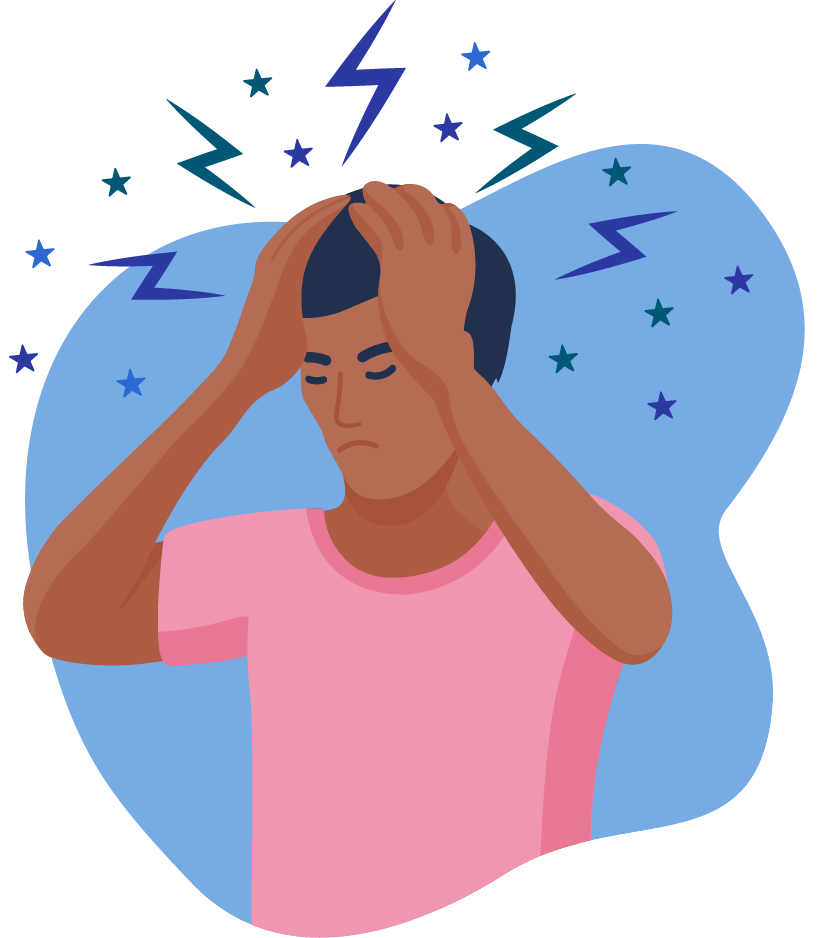
Are your headaches a symptom of migraine? Get a quick assessment.
Get updates directly to your inbox.




 Continue with Facebook
Continue with Email
Continue with Facebook
Continue with Email
Continue with Facebook
Continue with Email
Continue with Facebook
Continue with Email
Become a member to get even more





 Join
Join



 Your Privacy Choices

This is a member-feature!
Sign up for free to view article comments.
We'd love to hear from you! Please share your name and email to post and read comments.
You'll also get the latest articles directly to your inbox.