
Powered By



Allodynia is a type of pain or discomfort caused by things that don’t usually hurt, such as soft clothing or a light touch. Migraine is one of several conditions known to cause allodynia.
Research suggests that between 40 percent and 70 percent of people living with migraine experience this symptom, and about 20 percent report severe skin pain.
Allodynia is also linked to more frequent and more severe migraine attacks. Because of this, it’s important to tell your doctor if you notice skin pain during an attack.
Below are some key facts about allodynia, including:
Allodynia happens when your nervous system becomes extra sensitive to pain. The brain may shift into a state called central sensitization (when the nervous system becomes overactive and more responsive to pain signals). In this state, even gentle touch can feel painful or uncomfortable.
This increased sensitivity happens because your body may react as if you’re in danger, even when you’re not. Your nervous system has trouble telling the difference between something harmful (like touching a hot pan) and something safe (like washing your hands in warm water or brushing your hair).
Health experts describe three types of allodynia:
Sometimes allodynia is categorized by where the pain is located: on the head (called cephalic allodynia) or anywhere but the head, called extracephalic allodynia. You may also hear the term “cutaneous allodynia,” which means the pain is felt in the skin.
According to research in Frontiers in Neurology, risk factors for allodynia among people with migraine include:
Developing migraine at a younger age, or having other pain conditions, like irritable bowel syndrome, may also increase the risk of allodynia. Some studies also link it with a higher body mass index (BMI, a measure of body size based on height and weight).
People with migraine-related allodynia often say their hair hurts. The pain gets worse if anything touches or moves your hair, like a pillow or a breeze. This makes it difficult to get comfortable, as some MyMigraineTeam members explained:

Other people say allodynia makes their skin hurt, itch, sting, or burn. With migraine, these sensations often affect the scalp. However, they can spread to other areas like the neck and shoulders.
Here are some ways MyMigraineTeam members describe allodynia symptoms:
If you’ve ever had a bad sunburn, you have an idea of what allodynia can feel like.
Experiencing allodynia during migraine attacks puts you at an increased risk of chronic migraine. Chronic migraine is diagnosed when someone has at least 15 headache days per month over at least three months.
The relationship between migraine frequency and chronic migraine goes both ways: Having chronic migraine also increases the risk of allodynia.
Allodynia is also associated with more severe migraine attacks. Some people don’t notice allodynia in the beginning stages of a migraine attack, but may develop it as the attack becomes more severe. In other cases, allodynia occurs early on as a tell-tale sign that the migraine attack will increase in severity.
One MyMigraineTeam member related: “When I get a needle feeling in my skin, I know it’s going to be a long attack and a higher intensity migraine.”
There’s also some evidence that people with allodynia tend to take more acute medications (such as ibuprofen, naproxen, or acetaminophen) than people without allodynia. However, they report less success with these medications.
Taking too many pain medications may increase the risk of a medication overuse headache, also called a rebound headache. Medication overuse headaches increase the number of headache days and can become chronic.
Track what medications you take and their effectiveness in a headache diary and share the results with your migraine specialist. They can recommend a more effective treatment plan if needed.
Treating migraine early — or preventing attacks — may help reduce allodynia symptoms. Common options include oral medications (taken by mouth) and injections.
Some people living with migraine may also benefit from topical treatments (applied to the skin), especially if other options aren’t a good fit.
In some cases, treatments like Botox may help reduce sensitivity in people with chronic (long-lasting) allodynia.
Acute treatments — including triptans, antiemetics (anti-nausea medications), and over-the-counter pain relievers — work best when taken at the first sign of migraine symptoms.
Keeping a headache diary may help you identify your early symptoms and triggers. Talk with your doctor about which medications may help specific symptoms, including allodynia.
If you have frequent migraine attacks, your doctor may recommend preventive medications. These treatments can reduce how often attacks happen and may help limit the need for pain relievers.
Some medications originally used for other conditions — such as depression, anxiety, high blood pressure, or seizures — may also help prevent migraine. Examples include topiramate and valproate (also called divalproex).
Some research suggests that Botox injections may help improve allodynia symptoms. Botox is an approved treatment for chronic migraine and works by blocking certain nerve signals involved in pain.
These injections are typically given every 12 weeks in multiple areas around the head, neck, and shoulders.
Other types of nerve block treatments may also be an option if Botox isn’t right for you.
If allodynia continues despite preventive treatment, topical medications such as capsaicin or lidocaine may provide some relief.
Because some creams or ointments can feel uncomfortable to apply, talk with your doctor about whether patches may be a better option.
Some people may benefit from graded desensitization (a therapy that slowly increases touch or pressure over time).
A physical therapist gradually applies more pressure to sensitive areas to help retrain the body’s pain response.
Spinal cord stimulation may help some people with chronic, treatment-resistant allodynia or neuropathic (nerve-related) pain.
This approach uses an implanted device to send mild electrical signals to the spinal cord. These signals may reduce pain and improve symptoms.
Share all of your migraine symptoms, including allodynia, with your doctor. Allodynia has been linked to a higher risk of chronic migraine, so it’s important that your doctor understands what your attacks feel like.
Tracking your symptoms, triggers, and medications can help you and your doctor find the best treatment plan.
Migraine-related allodynia often improves as the migraine attack ends. If your skin pain continues after the attack, talk with your doctor. They may check for other conditions that can cause allodynia, such as:
If allodynia makes it difficult to rest, relax, or care for yourself, talk to your doctor about treatment options.
Because ongoing pain can also affect your emotional well-being, you may consider talking with a therapist about ways to cope with stress or discomfort.
On MyMigraineTeam, people share their experiences with migraine, get advice, and find support from others who understand.
Do you experience allodynia during migraine attacks? Let others know in the comments below.
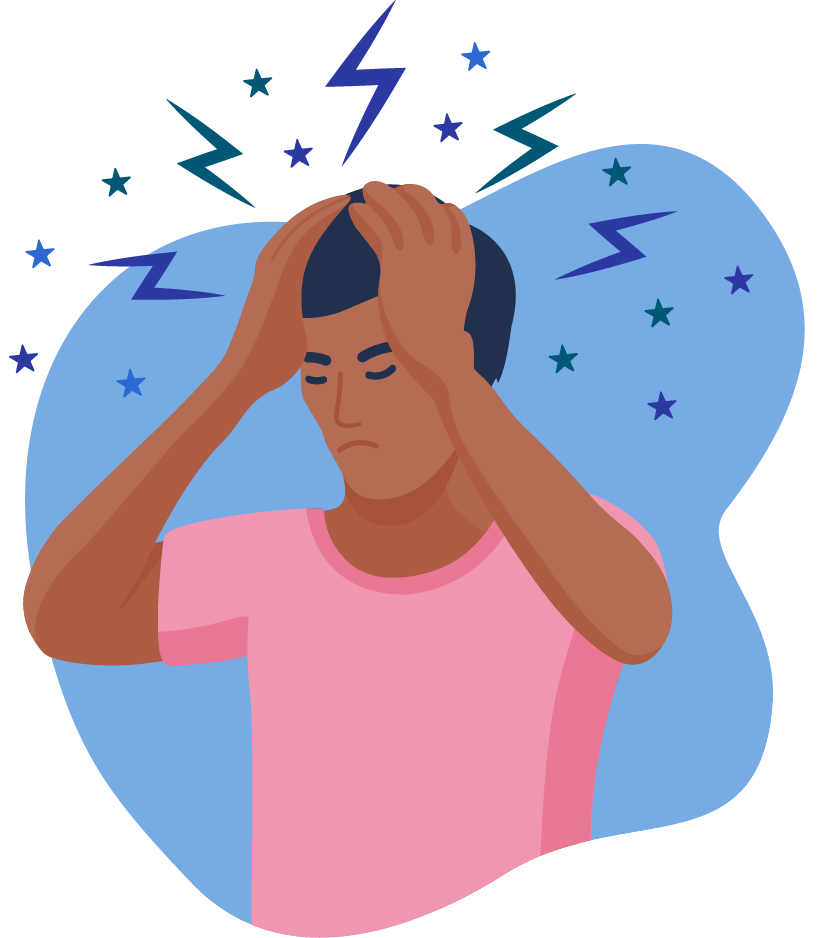
Are your headaches a symptom of migraine? Get a quick assessment.
Get updates directly to your inbox.




 Continue with Facebook
Continue with Email
Continue with Facebook
Continue with Email
Continue with Facebook
Continue with Email
Continue with Facebook
Continue with Email
Become a member to get even more





 Join
Join


 Your Privacy Choices

This is a member-feature!
Sign up for free to view article comments.
We'd love to hear from you! Please share your name and email to post and read comments.
You'll also get the latest articles directly to your inbox.