
Powered By



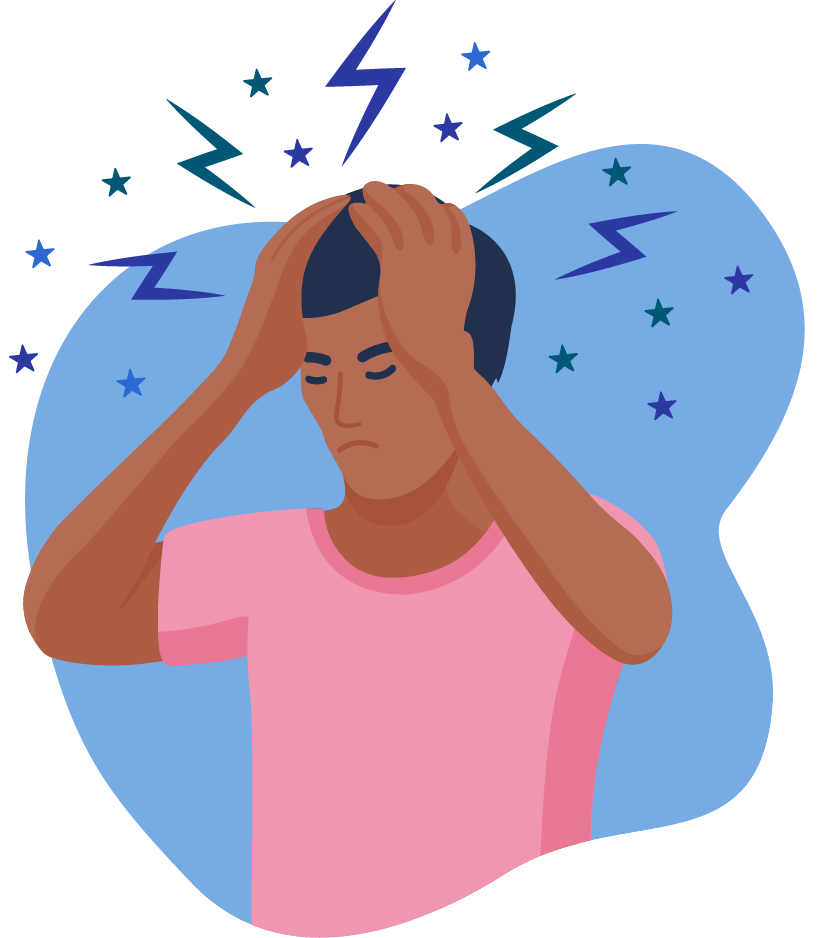
Migraine pain can be difficult enough on its own, but brain fog — which may happen before, during, or after an attack — can feel just as disruptive. This may be especially true if you experience multiple cognitive symptoms (problems with thinking or memory) that interfere with your daily life. If you’ve experienced brain fog, you’re not alone.
“I often have brain fog after a migraine attack,” one MyMigraineTeam member said. “My brain feels sluggish and I would not attempt to do anything important.”
Another replied, “I get horrible brain fog and brain zaps, as I call them, all over my head, scalp, face, and neck.”
Researchers estimate that about 40 percent of people with migraine report brain fog symptoms. For those who have this type of cognitive impairment, the fogginess may last anywhere from a few hours to several days.
Regardless of how long this migraine-related issue lasts, it can be discouraging and frustrating, and it can significantly impact your quality of life. If you’ve had brain fog and migraine, here’s what you need to know about why it happens, what it feels like, and what you can do to treat it.
Brain fog, also known as mental fatigue, is a type of cognitive impairment that often accompanies a migraine attack. It affects your ability to pay attention to what other people are saying and inhibits your focus and concentration. This makes it challenging for you to:
Some people may forget what you’re doing or be unable to complete the steps needed for a particular task.
Researchers have found that these memory lapses aren’t linked with an increased risk of dementia or cognitive decline when you get older, but more research is needed on this topic.
Not everyone who has brain fog with migraine will have the same experience. Some people will develop multiple symptoms. For instance they may lose their train of thought, have trouble concentrating, or become confused.
Here are some of the sensations or cognitive impairments you might experience with brain fog:
Researchers aren’t sure exactly why brain fog occurs with migraine attacks.
One theory is that brain fog is caused by the changes that occur in the outer layer of your brain or cortex, especially in areas involved in attention, language, and memory.
These changes, called cortical depression, cause your brain cells to become less active and your blood flow to change. Then as these changes move across your brain, it can become harder to concentrate, find the right words, or process information like you normally would.
Other researchers reason that brain fog is triggered by the same factors that cause your migraine attack, such as bright lights, certain sounds, and dehydration.
Other potential triggers for brain fog include:
Knowing your migraine triggers and making adjustments when possible may be the first step in preventing brain fog. This may also include making lifestyle changes like eating different foods, staying hydrated, and quitting smoking.
Whether you get brain fog before, during, or after a migraine attack may differ from someone else’s symptom timeline. Brain fog can happen up to 48 hours before your migraine and up to 24 hours after your headache pain and other symptoms. For people who have had brain fog before a migraine attack, it could be their first warning sign for future attacks.
Researchers in a 2023 study found that:
Researchers in one study noted that people with chronic migraine attacks (more than 15 a month), may notice their cognitive function is affected not just during a migraine attack but even on days without one or during the interictal period.
These findings suggest that when migraine attacks happen more frequently, cognitive issues linked with brain fog can also become more common. But the same may not be true for those with episodic migraine.
There are no specific treatments for brain fog, but you may be able to manage it with lifestyle changes. These include:
If it becomes an ongoing issue, you may also want to consider psychotherapy, such as cognitive behavioral therapy (CBT), to learn techniques to manage brain fog.
Your healthcare provider can also prescribe medications like antidepressants or suggest over-the-counter nonsteroidal anti-inflammatory drugs (NSAIDs). These may help relieve your brain fog and migraine symptoms.
When you’re in the throes of brain fog, try taking mental breaks and allowing your brain to rest. You could take a walk, enjoy the fresh air, eat a light snack, or do an activity that doesn’t require you to concentrate or focus.
“I just give up and take it easy for the rest of the day when I have brain fog,” one MyMigraineTeam member said. “I can’t push through that at times.”
Another member said, “Sometimes I’m able to function while dealing with the brain fog, but normally I find that I have to rest, and then I normally put on the TV with a low volume and try not to think about too much of anything and let the fog just pass and then go about my day.”
If your brain fog is interfering with your life or causing you to miss important deadlines, try using other tools to keep you on track, like setting alarms, writing yourself notes, or using visual cues.
If you’re having ongoing brain fog that’s interfering with your life, talk to your healthcare provider. This is especially important if brain fog keeps you from socializing with others, going to work, or completing your daily tasks. You should also talk to a healthcare provider if your brain fog is increasing in frequency or getting more severe.
While brain fog is common and not always a cause for concern, it should still be investigated. A neurologist or other healthcare provider can determine if your brain fog is related to aging or caused by an undiagnosed health condition.
They can also determine if this symptom is related to medication side effects or being caused by your habits or lifestyle. They may even need to adjust your current migraine treatment plan.
On MyMigraineTeam, people share their experience with migraine, get advice, and find support from others who understand.
Have you experienced brain fog with migraine? What methods have you used to effectively manage changes in your thinking and processing? Let others know in the comments below.
Are your headaches a symptom of migraine? Get a quick assessment.
Get updates directly to your inbox.





 Continue with Facebook
Continue with Email
Continue with Facebook
Continue with Email
Continue with Facebook
Continue with Email
Continue with Facebook
Continue with Email
Become a member to get even more





 Join
Join



 Your Privacy Choices

This is a member-feature!
Sign up for free to view article comments.
We'd love to hear from you! Please share your name and email to post and read comments.
You'll also get the latest articles directly to your inbox.