
Powered By



Migraine head pain often builds slowly or lasts for hours or even days, but sometimes it can feel like a sudden jab that goes away just as quickly. This kind of headache pain can feel upsetting and frightening. Here’s what to know about what it is, why it happens, and how it’s treated.
Ice pick migraine is a common term for sudden, very short, sharp, stabbing head pain. Although many people use this name, it isn’t the official medical term. Doctors usually call this type of pain a primary stabbing headache. Primary means the head pain itself is the condition, not a symptom of another underlying condition. This headache pain can happen in people without migraine, but it is more common in those who have it.
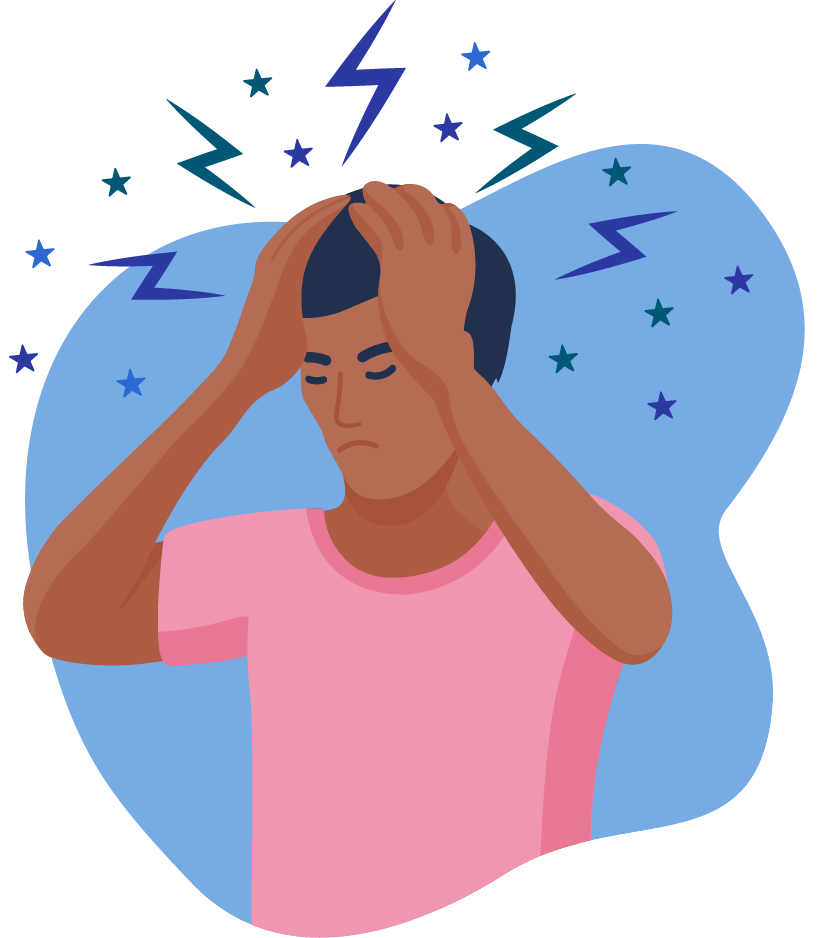
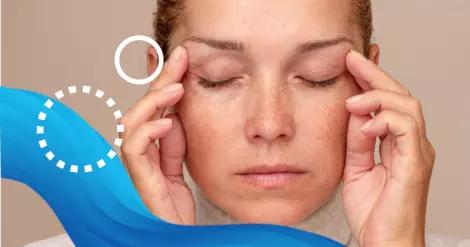
People often describe the pain as a sudden jolt, spike, or knife stab. The pain is usually intense, even though it’s brief, usually no more than three seconds. It can happen anywhere in the head, but several MyMigraineTeam members say they feel it around one eye, the temple, or one side of the head.
The pain can move around instead of happening in the same spot each time. These stabs often follow the trigeminal nerve, which carries pain signals in the head. They usually last only a few seconds but can sometimes happen several times close together.
Primary stabbing headache is different from the longer-lasting, more familiar pain of a migraine. It usually comes on without warning, lasts only a few seconds, and may come back on and off throughout the day.
One tricky part is how unpredictable this pain can be. A stab may last only a few seconds, then vanish. Later, it may happen again with no clear pattern. It can also be a cluster of quick jabs. Some people get only a few attacks in their lifetime, while others may have several in one day.
The biggest difference is how long the pain lasts. Standard migraine is also more likely to come with other symptoms such as throbbing or pulsing pain, nausea, vomiting, and sensitivity to light, sounds, or smells, while a primary stabbing headache usually does not.
That said, the two can overlap. A person can live with migraine and also have a primary stabbing headache. It’s not uncommon for a person with migraine to have multiple types of headache pain. One MyMigraineTeam member said they have both hemiplegic migraine, which can cause one-sided paralysis, and ice pick migraines.
For some people, the stabbing pain may happen during an active migraine headache. For others, it may show up on its own between migraine attacks.
Doctors do not fully understand why primary stabbing headaches happen. Because it’s a primary headache disorder, it is thought to be related to the way pain-sensitive structures and nerves in the head work, rather than to a structural problem. The nerves may be overactive, sending a sudden burst of pain signals. Because primary stabbing headache often happens along with migraine, the two conditions may be related in some way.
Some people notice patterns, but triggers vary from person to person. Bright lights, cold temperatures, stress, or anxiety may set off or make attacks worse. Other triggers may include quick movements, changes in position, or physical activity. Sometimes, these headaches seem to happen during periods when migraine is already more active. But in many cases, there is no clear trigger at all.
Keeping a headache diary may help you spot patterns over time. Writing down the possible triggers, when the pain happens, how long it lasts, where it hurts, and whether there are other migraine symptoms can give your healthcare provider useful clues.
Primary stabbing headaches are usually not dangerous, but new or changing head pain should not be ignored. It is a good idea to seek medical advice if the stabbing pain becomes more frequent, lasts longer than usual, changes in pattern, or starts coming with other symptoms. It’s rare to get ice pick headaches several days in a row.
If you have a sudden, severe headache that feels like the worst headache of your life, or if head pain comes with symptoms such as weakness, numbness, confusion, trouble speaking, double vision, seizures, fever, stiff neck, or a recent head injury, you’ll need to get medical help right away. Those red flags can mean something other than a primary stabbing headache is going on.
Because primary stabbing headaches are so short, treatment is not usually needed. For some people, the attacks are brief and infrequent enough that reassurance and tracking symptoms are the main steps.
If attacks happen often or are especially disruptive, a healthcare provider may recommend medication. Indomethacin, a prescription anti-inflammatory medicine, is one of the treatments most often mentioned for primary stabbing headaches.
Some healthcare providers may consider melatonin in certain cases. Melatonin has been helpful in some clinical case reports for primary stabbing headaches, likely because it helps regulate brain chemicals linked to pain.
Other medications that may help include Botox, gabapentin, and some antidepressants. These medicines may help calm the nervous system and lower the number of stabbing headaches. When considering medication, you’ll want to talk with your doctor about possible side effects or interactions with other medications.
Some people find at-home techniques helpful, such as:
The right treatment option depends on how often the pain happens, whether you also have migraine, and your overall health history.
On MyMigraineTeam, people share their experiences with migraine, get advice, and find support from others who understand.
Have you ever had a sudden stabbing headache that felt different from your usual migraine pain? Let others know in the comments below.
Are your headaches a symptom of migraine? Get a quick assessment.
Get updates directly to your inbox.


 Continue with Facebook
Continue with Email
Continue with Facebook
Continue with Email
Continue with Facebook
Continue with Email
Continue with Facebook
Continue with Email
Become a member to get even more





 Join
Join

 Your Privacy Choices

This is a member-feature!
Sign up for free to view article comments.
I've had ice pick headaches for three years. They only come on infrequently and last about 24 hours. The only thing that provides some comfort is cold packs directly on the pain spot. It's always on… read more
We'd love to hear from you! Please share your name and email to post and read comments.
You'll also get the latest articles directly to your inbox.