
Powered By



 Continue with Facebook
Continue with Email
Continue with Facebook
Continue with Email
Migraine doesn’t feel the same for everyone. The symptoms can vary, the triggers can be different, and even the location of the pain can change from one person to the next.
For some people, migraine pain shows up on one side of the head. For others, it may be felt at the top of the head, behind the eyes, or even in the back of the head.
That’s why headache location alone can’t confirm whether you’re having a migraine attack — but it doesn’t rule one out either.
If you’re experiencing head pain, no matter where it starts, understanding how migraine can show up is an important step toward finding the right treatment and relief.
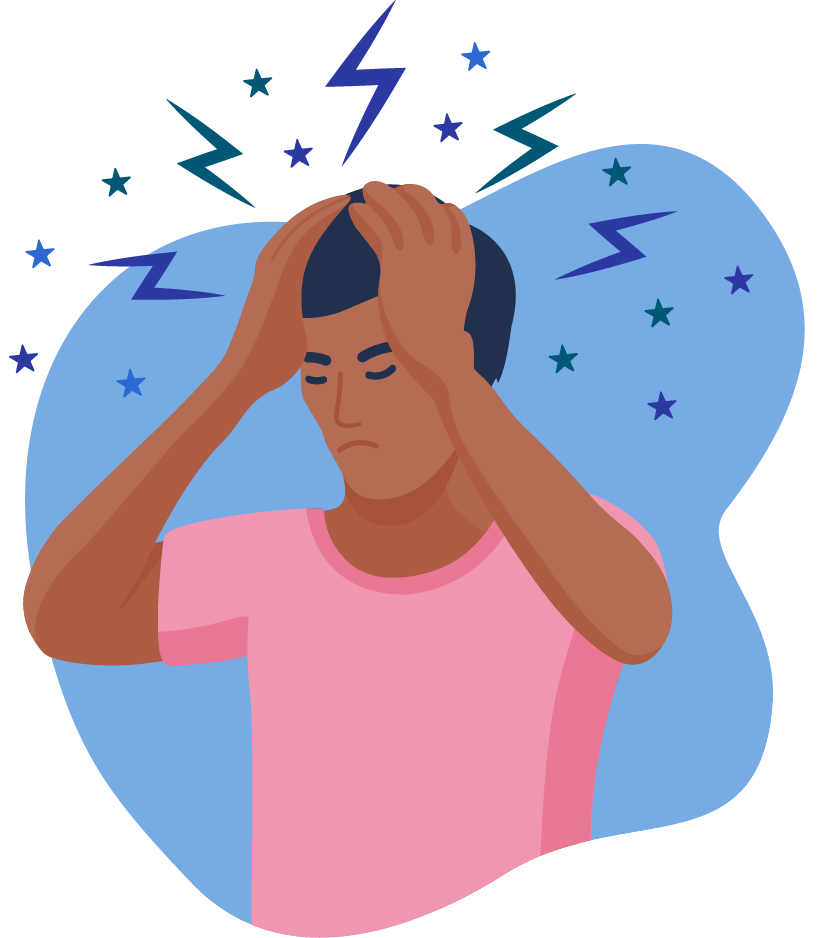
Most of the time, pain during a migraine attack happens on one side of the head. However, migraine pain can show up in several different locations, and the location can differ between attacks or change during an attack.
If your migraine symptoms are connected to a particular trigger, like eye pain, or to ocular migraine, this may determine where your head hurts.
Some people experience migraine headaches on both sides of their head, on the top or crown of their head, or even in the back of their head.
One MyMigraineTeam member who has experienced migraine headaches at the back of their head put it this way: “I describe it as being hit with a two-by-four across the back of the head.”
On MyMigraineTeam, members talk about their experiences during migraine attacks. Several have talked about how their pain doesn’t stay in one place.
One member said, “When I get right-sided headaches, I also experience neck pain and back of head pain on that side too.”
Another shared, “I have had a horrible migraine for the past few days, and I have one now. It started a few days ago in the back of my head, and it is now all over my head and mostly in my forehead.”
A third member wrote, “I’ve had a migraine on my left side, with pain in my left eye, temple, and top of head.”
Other members note that different migraine headaches may show up in different locations. They may experience relief in one area, only to have their next attack hurt somewhere else.
One member who has had this happen said, “I had a week of miserable headaches that transpired on the left side of my head and eye, then a small reprieve of migraines on the right side, only to have them come back again today.”
Another added, “I had a migraine on the left side of my head. A couple of days later, I had a migraine on the right side of my head.”
The location and severity of migraine pain can be unpredictable. If you’re having trouble getting your migraine symptoms under control, talk to your primary care provider or a neurologist about ways to prevent or manage them.
Because the location of migraine headache pain is unpredictable, it isn’t always a reliable way to identify a migraine. Other types of headaches— such as sinus, cluster, or tension headaches — can also cause pain at the top, back, or sides of the head.
To receive a migraine diagnosis, you’ll need to look at other symptoms as well. You may want to watch for the following features.
Most people who live with migraine experience prodrome symptoms, or symptoms that show up before a migraine attack.
If you get these, you might:
You might also experience nausea, feel hungrier or thirstier than usual, and pee more often than is normal for you.
Many people miss symptoms in the prodrome phase because it happens before they experience headache pain.
Some people get an aura before the head pain starts. Aura symptoms are most often vision changes (like flashing lights or zigzags). Some people also get numbness or tingling. Less often, people may have trouble speaking or feel weak.
If weakness or speech trouble is new, sudden, or scary, get medical help right away.
Most people with migraine experience headache symptoms next. It may start out slow and get more intense, then eventually feel like you have pulsating, pounding, or throbbing pain. The pain can be anywhere from mild to very intense.
Most people find that migraine headache pain lasts at least four hours and gets worse if they do anything active. For some people, the headache comes along with sensitivity to lights, sounds, or smells, and nausea or vomiting.
Finally, many people with migraine experience postdrome symptoms, which linger after the migraine headache goes away. These may include:
If you think you’re experiencing migraine symptoms, tell your neurologist about them in addition to details about head pain and its location. Together, you’ll figure out what’s going on with your body so you can get the best treatment option for your needs.
Sometimes, headache pain means you need to see a healthcare provider as soon as possible. Potential emergencies can cause headaches, such as:
If you get a sudden, very severe headache — or what feels like the worst headache you’ve ever had — seek emergency care right away.
If your usual headaches change a lot, make an appointment with a healthcare professional. Even if you’ve already been diagnosed with migraine, changes can mean that something is going on that requires medical care.
You should also get medical help for a headache if:
In these cases, your headache might be a sign that something else is going on with your body. A doctor can evaluate you and let you know what medical condition is causing your pain. They can also give you medical attention and advice about how to get the care you need.
On MyMigraineTeam, people share their experiences with migraine, get advice, and find support from others who understand.
Where do you most commonly experience migraine headaches? Let others know in the comments below.
Are your headaches a symptom of migraine? Get a quick assessment.
Get updates directly to your inbox.



 Continue with Facebook
Continue with Email
Continue with Facebook
Continue with Email
Continue with Facebook
Continue with Email
Continue with Facebook
Continue with Email
Become a member to get even more





 Join
Join

 Your Privacy Choices

This is a member-feature!
Sign up for free to view article comments.
We'd love to hear from you! Please share your name and email to post and read comments.
You'll also get the latest articles directly to your inbox.