
Powered By



Migraine affects about 36 million people in the U.S. According to the journal Headache, up to 19 percent of women live with migraine, compared to only about 7 percent of men.
The fact that women are diagnosed with migraine nearly three times more often than men may prompt questions about whether migraine attack triggers or symptoms vary based on a person’s gender or biological sex.
Migraine may be underdiagnosed in men, who are underrepresented in studies about the condition, according to The Journal of Headache and Pain. But that doesn’t mean men should overlook migraine symptoms.
Keep reading to learn whether any specific triggers have been identified in men with migraine.
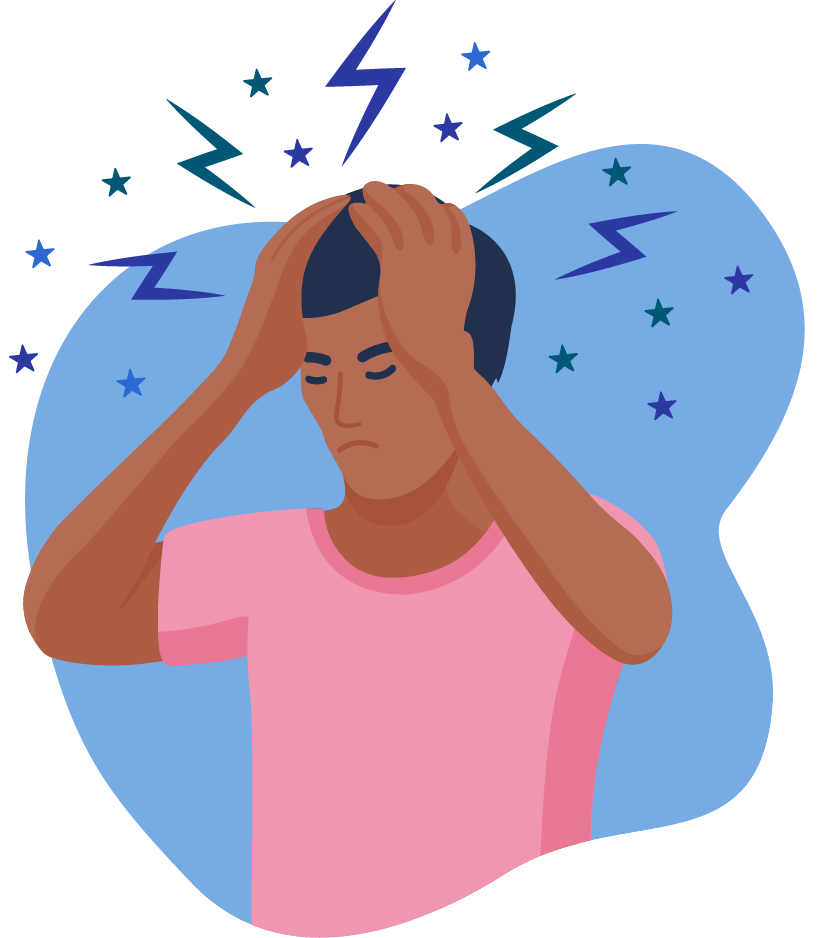
Common migraine symptoms include one-sided head pain that may pulsate and get worse with movement. Research suggests there are differences in the intensity and frequency of migraine attacks between men and women.
One study in the European Journal of Neurology found that males had migraine attacks less often than females did. Males also had less intense pain, and their migraine attacks didn’t last as long as those of females.
Additionally, males reported fewer of the following classic sensory symptoms than females:
While this study found many differences in migraine symptoms and duration, other studies didn’t come to the same conclusions. For that reason, more research is needed to pinpoint major symptom differences related to gender and sex.
Some people find that specific factors can trigger a migraine attack. These may include:
While all people with migraine have similar triggers, researchers have identified some differences in how often certain lifestyle-driven triggers lead to migraine attacks in males versus females.
For instance, one study evaluated 871 people with migraine. The researchers found that excessive sleep was a more common trigger in men than women. But specific odors more often triggered migraine attacks in women compared to men.
A different study looked at 6,786 people with migraine. The researchers found that males were more likely to have migraine attacks triggered by alcoholic beverages, certain foods, and physical exercise or sexual activity than females.
Researchers aren’t sure why triggers differ among people of different sexes, but they have developed a few theories. Some scientists think hormonal changes in women may make them more susceptible to certain triggers, according to The Journal of Headache and Pain. But more research is needed to fully understand what’s behind the differences.
Migraine is diagnosed three times less often in men than women, which could partly be because men are underdiagnosed with the condition.
Some researchers suggest doctors may be diagnosing men incorrectly. This is in part due to men reporting fewer of the classic symptoms, such as aura, and having more lifestyle-linked triggers, which may make the diagnosis less obvious.
But some researchers assert that men may be less likely to see a doctor for migraine symptoms. Some men may think of migraine as a “women’s disease,” according to The Journal of Headache and Pain, and thus avoid seeking care due to stigma surrounding that misconception.
One study found that men who met the criteria to be diagnosed with migraine were less likely to get diagnosed with it than women. This meant they weren’t prescribed migraine treatment to help relieve their symptoms.
Men on MyMigraineTeam often discuss the condition’s effect on their lives. “Migraine affects everyone regardless of gender,” one member said. “I’m praying for more understanding and compassion for migraine attacks when they happen to men.”
If you experience migraine symptoms, talk to your healthcare provider right away. They’ll perform a physical exam and ask about your family history and medical history. They may also order testing to evaluate you for migraine.
Because migraine is a neurological condition (a disorder that affects the brain and nervous system), your doctor may refer you to a neurologist for more specialized medical attention.
Together, you and your neurologist can create a migraine management plan so you can reduce your migraine attacks.
Having migraine may put you at risk of also having other conditions. This is called a comorbidity. In fact, there are about 75 other medical conditions you’re more likely to have if you’re living with migraine. Some studies have evaluated the risk of comorbidities specifically in males living with migraine.
One study in PLoS Medicine looked at the differences in stroke risk among men with migraine. The researchers found that men under age 60 with migraine had a higher risk of ischemic stroke than those without migraine. They also noted that men who had migraine with aura faced a higher risk of death from any cause than those without migraine.
Migraine with aura refers to symptoms that occur just before a migraine attack. They can include visual changes, sensory issues, or problems with speech.
Another study from Harvard looked at the health outcomes of 20,084 men. The researchers found that having migraine led to a 42 percent higher likelihood of experiencing a heart attack.
These increased risk factors make it especially important to get an accurate diagnosis. Your doctor can evaluate your overall health while also providing you with a migraine diagnosis and treatment plan.
The treatments for migraine are the same for all people with the condition. Some people are able to curb migraine attacks by avoiding their most common migraine triggers.
While triggers are different for everyone, following are among the most common in men, according to Harvard Health Publishing:
If avoiding triggers doesn’t help, you may benefit from a combination of medications and lifestyle changes. This may include taking prescription medications that prevent migraine attacks and those that treat them when symptoms start. You may also benefit from over-the-counter pain medications like ibuprofen.
What works for someone else may not work for you, so it may take some trial and error while you work with your doctor to find the right treatment approach. Talk to your neurology team to get medical advice about what the right approach is for you.
It’s important to understand all of your treatment options so you can feel your best and improve your quality of life.
On MyMigraineTeam, people share their experiences with migraine, get advice, and find support from others who understand.
Have you noticed ways migraine affects you differently from others with the condition? Let others know in the comments below.
Are your headaches a symptom of migraine? Get a quick assessment.
Get updates directly to your inbox.




 Continue with Facebook
Continue with Email
Continue with Facebook
Continue with Email
Continue with Facebook
Continue with Email
Continue with Facebook
Continue with Email
Become a member to get even more





 Join
Join



 Your Privacy Choices

This is a member-feature!
Sign up for free to view article comments.
We'd love to hear from you! Please share your name and email to post and read comments.
You'll also get the latest articles directly to your inbox.