
Powered By



 Continue with Facebook
Continue with Email
Continue with Facebook
Continue with Email
Attention-deficit/hyperactivity disorder (ADHD) and migraine may be linked in ways health experts hadn’t previously realized. Research suggests that people with ADHD may be more likely to have migraine than people without ADHD, although researchers don’t yet fully understand why.
If you live with both conditions, you may notice some similar or overlapping symptoms. For example, both ADHD and a migraine attack can make it harder to concentrate. Migraine can also cause sensitivity to light and sound, while some people with ADHD report difficulty filtering sensory information.
In this article, we’ll discuss what research says about the connection between migraine and ADHD, possible factors the conditions may share, and ways to manage both conditions.
Sign up to view the results!
Continue with Facebook
Continue with Email
Attention-deficit/hyperactivity disorder is a condition that affects how the brain develops and manages attention, activity, and impulses. Symptoms usually begin in childhood and may continue through the teen years and adulthood.
People with ADHD may have trouble staying focused, organizing tasks, remembering details, sitting still, waiting their turn, or thinking before acting.
ADHD can look different from person to person, and not everyone has noticeable hyperactivity (high levels of activity or restlessness).
Research suggests that migraine and ADHD occur together more often than expected, but researchers have not shown that one condition causes the other.
In one large study of more than 26,000 adults, people with ADHD had about 1.8 times the odds of reporting migraine compared with people without ADHD. Notably, the study used screening questionnaires rather than confirmed diagnoses.
Some research has found an association between visual disturbances during migraine attacks and having both ADHD and migraine. Visual disturbances are a common feature of a migraine aura, which usually occurs before the headache phase but may also begin or continue during it. Not everyone with migraine experiences auras.
Sex and age may also affect how often migraine and ADHD occur together, although study findings are not fully consistent. Females are at a higher risk for migraine in general and are more likely than males to have ADHD with migraine, according to BMC Neurology. The risk of having both migraine and ADHD together also increases with age.
People with both ADHD and migraine may also be more likely to have depression or anxiety disorders. In one adult study, people with both conditions reported depression or anxiety more often than those with ADHD alone.
Health experts have found a couple of possible shared underlying associations between migraine and ADHD. These shared causes might at least partially explain why some people with migraine are at an increased risk of ADHD.
The dopaminergic system is a network of brain cells and other neurons that support many neurological processes, including cognitive function, motor control, and the reward system.
Several neurotransmitters (communication chemicals within the nervous system) are involved in the dopaminergic system:
Dysfunction within the dopaminergic system is associated with many neurological and cognitive disorders, including ADHD. The dopaminergic system plays a key role in helping you pay attention.
Research suggests that differences in dopamine signaling may also play a role in migraine. Proposed mechanisms include increased sensitivity to dopamine in migraine and differences in dopamine transport in ADHD. Shared genetic factors may also help explain the connection between the two conditions.
Other hypotheses involve impaired sensory gating (difficulty filtering sensory information), sleep disturbances, and stress reactivity, which may contribute to symptoms of migraine, ADHD, or both.
Some research suggests that both migraine and ADHD may be linked to differences in how the autonomic nervous system (ANS) functions. The ANS controls automatic body processes, including heart rate and blood pressure.
ADHD and migraine are both associated with symptoms related to ANS dysfunction, including irregular heart rate and changes in blood pressure.
Problems like dopaminergic system dysregulation and ANS dysfunction might arise from an underlying genetic cause. Research suggests that ADHD and migraine may share some genetic factors, although their genetic relationship is not yet fully understood.
Chronic inflammation may be another possible link between migraine and ADHD. Researchers have found higher levels of certain inflammation-related proteins in people with both conditions. This suggests inflammation throughout the body may help explain why they sometimes occur together.
If you have ADHD and migraine, you might notice that certain ADHD symptoms and challenges tend to trigger migraine attacks.
Executive dysfunction, a key feature of ADHD, can involve a lack of impulse control, trouble with planning or problem-solving, procrastination, or high levels of distractability. All of these can be a source of stress, and stress is a common migraine trigger.
Sleep disorders are common among people with ADHD and migraine. ADHD may make it harder to fall asleep, stay asleep, or feel rested during the day. Changes in sleep, including too little sleep, too much sleep, or an irregular sleep schedule, can also trigger migraine attacks.
This may create a cycle: ADHD-related sleep problems can contribute to a migraine attack, the attack may lead you to sleep more than usual, and the change in your sleep pattern may increase the chance of another attack.
Missing meals can lead to hunger, which may trigger migraine attacks. Some people with ADHD may find it difficult to eat regularly because of forgetfulness or distraction, which may make hunger-related migraine attacks more likely.
Some people with ADHD may experience sensory overload, which can happen when the brain has difficulty filtering several types of sensory input, such as loud sounds or bright lights, at the same time. This can feel overwhelming, and for some people, that overstimulation may contribute to a migraine attack.
You should work with your doctor to develop a treatment plan that addresses your migraine and ADHD at the same time. Start by keeping a journal of when your migraine attacks tend to occur and see if there appears to be any connection to ADHD symptoms. Your doctor may recommend one or more of the following strategies.
Developing a consistent daily routine can help minimize distractions and excessive stress that can trigger migraine attacks. A consistent routine may help reduce your exposure to triggers for sensory overload, which can lower the risk of migraine attacks further.
A routine that minimizes migraine symptoms and ADHD symptoms should include regular physical activity and good hydration.
You can think of sleep hygiene as a collection of strategies that set the stage for a good night’s sleep. Implement these strategies to minimize sleep irregularities that are common in ADHD but can trigger migraine attacks:
Your doctor may prescribe ADHD medications to help reduce symptoms like executive dysfunction and impulsivity. Taking your medications consistently may help reduce stress and other migraine attack triggers, but be aware of headaches and other possible side effects.
Several supportive therapies may help people manage symptoms, build coping skills, and improve daily functioning:

If you’re living with both migraine and ADHD, talk with your doctor or neurologist about any concerns, including whether one condition or its treatment may be affecting the other.
If you notice that migraine attacks begin or worsen after starting or changing an ADHD treatment, let your doctor know. They can review your symptoms and adjust your treatment plan if needed.
On MyMigraineTeam, people share their experiences with migraine, get advice, and find support from others who understand.
How do you manage migraine and ADHD at the same time? Let others know in the comments below.
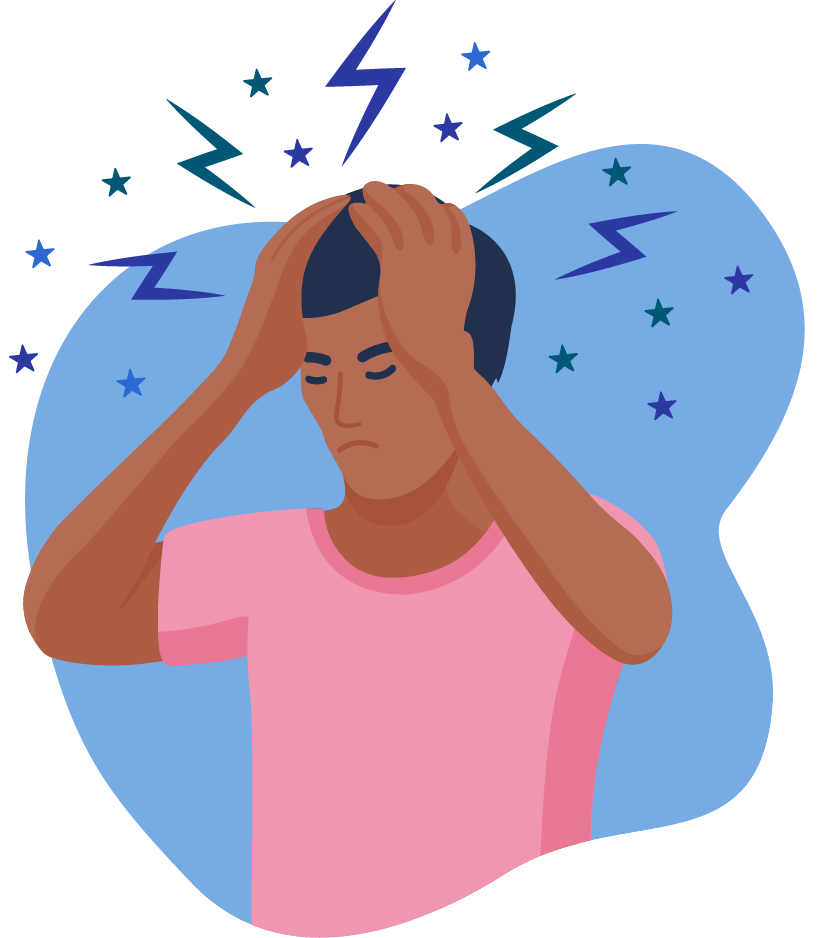
Are your headaches a symptom of migraine? Get a quick assessment.
Get updates directly to your inbox.



 Continue with Facebook
Continue with Email
Continue with Facebook
Continue with Email
Continue with Facebook
Continue with Email
Continue with Facebook
Continue with Email
Become a member to get even more





 Join
Join


 Your Privacy Choices

This is a member-feature!
Sign up for free to view article comments.
We'd love to hear from you! Please share your name and email to post and read comments.
You'll also get the latest articles directly to your inbox.