
Powered By



Have you ever noticed that your migraine attacks intensify when you’re feeling anxious? If so, you’re not alone.
“I get migraine symptoms from stress, and I’m a very anxious person, so I get them frequently,” one MyMigraineTeam member said.
Up to half of people living with migraine also have anxiety. Knowing more about the connection can help you manage both conditions and improve your quality of life.
The connection between migraine and anxiety is considered a bidirectional relationship. This means having anxiety raises the risk of a migraine attack and vice versa.
People with migraine are two to five times more likely to have depression and anxiety than those without migraine. And those with anxiety are up to five times more likely to experience migraine attacks than those in the general population.
Researchers are still trying to pinpoint what’s behind the link, but some research shows that the two conditions have shared risk factors. These include:
The stress that comes with anxiety symptoms may cause a migraine attack to start.
“I felt fine this morning, but now, with a bit of anxiety and stress, I feel a migraine attack coming on,” one MyMigraineTeam member said.
In addition, having either acute or chronic anxiety may make migraine symptoms more intense. Acute anxiety is a short-term anxious feeling that usually occurs in response to a triggering event. Some people may also have chronic anxiety, which is a long-term feeling of worry that’s almost always present. Chronic anxiety could lead to worsening symptoms of migraine.
One study evaluated 196 people with anxiety who experienced headache pain, including migraine headaches. About 38 percent said their headaches were worse when they were experiencing anxiety symptoms.
Living with migraine can make anxiety worse. It can be difficult to predict when a migraine attack will occur. This can lead to more worry, especially in people with anxiety.
Some people worry so much over their next migraine attack that they avoid making plans for the future. They may then experience social isolation, which can intensify both anxiety and migraine symptoms.
Having migraine and anxiety together can also lead to unexpected quality of life issues. For instance, people with both conditions tend to face higher medical costs. This can cause financial stress, and stress can worsen both conditions. It may also keep people from seeking care, which can lead to a delay in treatment.
Some people experience migraine episodes or anxiety symptoms when they encounter a triggering event. Several common migraine triggers overlap with anxiety triggers:
It’s important to know what triggers your anxiety and migraine symptoms. Some healthcare providers recommend keeping a trigger journal or using an app for this reason. That way, you can track what was happening just before a migraine or anxiety attack occurred.
It’s important to treat both migraine and anxiety symptoms to help improve your quality of life and overall wellness.
Your migraine specialist may be able to refer you to a mental health provider who can help you find effective treatment options for anxiety. They may recommend medications, lifestyle changes, or talk therapy, such as cognitive behavioral therapy (CBT), to help ease the symptoms of anxiety.
Some lifestyle changes may help reduce migraine and anxiety symptoms. These include:
“I have vestibular migraine, chronic migraine, fibromyalgia, and bipolar disorder, along with severe anxiety disorder,” one MyMigraineTeam member said. “What has helped you with your anxiety and managing your symptoms?”
Another member replied, “I also suffer from anxiety and migraine, but I have found talk therapy helpful and having a few friends I can talk with. They are great at reminding me that it will all work out and I need to practice self-care to stay well.”
In addition to getting medical advice, it’s important to have a good support system if you’re living with migraine and anxiety. If you don’t have a supportive community, ask your neurologist or mental health provider for a referral. They can assist in finding support groups that will help you see that you aren’t alone.
On MyMigraineTeam, people share their experiences with migraine, get advice, and find support from others who understand.
Do you ever experience anxiety or other medical conditions that disrupt your daily life while living with migraine? Let others know in the comments below.
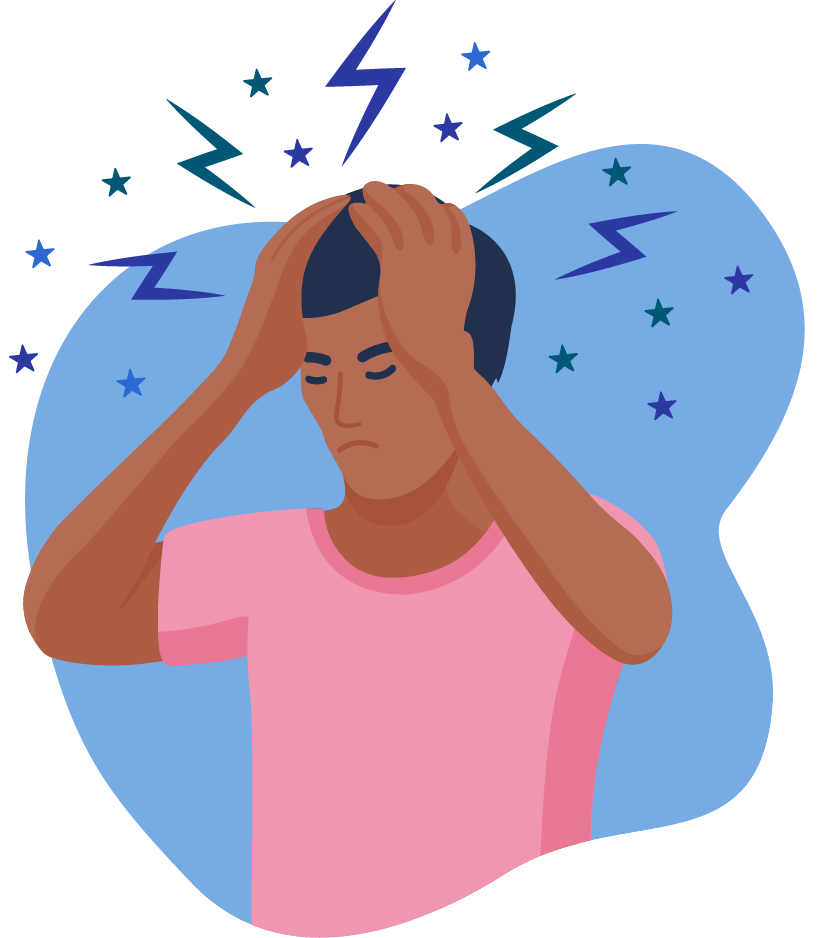
Are your headaches a symptom of migraine? Get a quick assessment.
Get updates directly to your inbox.




 Continue with Facebook
Continue with Email
Continue with Facebook
Continue with Email
Continue with Facebook
Continue with Email
Continue with Facebook
Continue with Email
Become a member to get even more





 Join
Join



 Your Privacy Choices

This is a member-feature!
Sign up for free to view article comments.
We'd love to hear from you! Please share your name and email to post and read comments.
You'll also get the latest articles directly to your inbox.