
Powered By



 Continue with Facebook
Continue with Email
Continue with Facebook
Continue with Email
If you notice a headache creeping in around the middle of your menstrual cycle, hormones may be to blame.
Ovulation migraine is a lesser-known type of hormonal migraine that strikes when estrogen shifts sharply around ovulation. Here’s what causes it, how to spot the pattern, and what you can do about it.
 What Is an Ovulation Migraine?
 An ovulation migraine is a migraine attack that occurs around ovulation when the egg is released from the ovary.
Only a small percentage of people with migraine experience ovulation migraine attacks. For most people with migraine, the risk of headache is significantly lower around the time of ovulation. The highest risk is just before and during the first two days of menses.
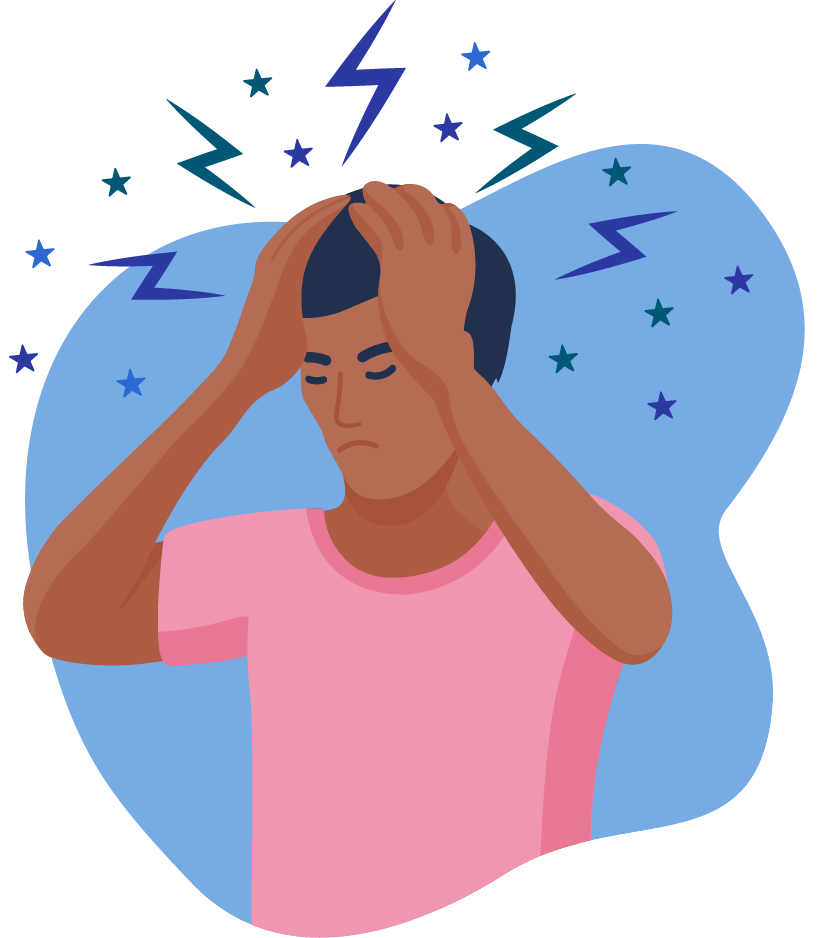
Like other types of migraine, these attacks can cause throbbing head pain, often on one side, along with nausea, light sensitivity, and sound sensitivity.
What makes ovulation migraine unique is its timing. Ovulation migraine attacks usually happen about halfway through the menstrual cycle, around day 14 of a 28-day menstrual cycle.
Symptoms of ovulation migraine attacks are similar to other types of migraine and may include:
Some people may also experience migraine with aura, which can include visual disturbances and sensory changes, before or during an attack.
Hormone-related migraine attacks aren’t all the same. The timing and pattern can help differentiate the specific type of migraine you may have.
Some key differences between ovulation migraine and menstrual migraine include:
Also, because menstrual migraine attacks might occur alongside period symptoms like cramps, fatigue, or pelvic pain, these attacks may feel longer or more severe than other types of migraine.
In general, women are three times more likely to experience migraine compared to men, which may largely be due to hormonal triggers.
Migraine attacks tied to hormone changes are most common in people who:
Lifestyle factors like stress, sleep habits, and diet can also affect who develops migraine and how severe the attacks are.
Some people are also more sensitive to hormone fluctuations. Studies suggest that those with migraine may have a heightened response to normal estrogen changes, which could make them more likely to experience a hormone-triggered attack.
Because ovulation migraine is easy to miss, tracking when your migraine attacks happen alongside your cycle can help you and your doctor identify patterns.
You might keep track of:
Over time, a migraine diary or headache journal can help uncover whether migraine attacks tend to cluster around ovulation.
Tracking is one of the most effective ways to confirm a hormonal pattern and guide treatment decisions.
Treatment for ovulation migraine generally includes both short-term pain relief and preventive strategies.
Acute medications are taken when a migraine starts (abortive therapy), and these can include:
Depending on the specific type recommended by your healthcare provider, acute medication may be available as oral pills, nasal sprays, or injections.
Simple steps like resting in a dark room, staying hydrated, and using a cold compress during a migraine attack may also help relieve symptoms.
If your migraine attacks happen regularly, your doctor or migraine specialist may suggest taking preventive medications before an attack happens.
Preventive medications may help reduce how often migraine attacks happen, how severe they are, and how long they last. Options may include antidepressants, medications that lower blood pressure, anti-seizure medications, botulinum toxin (such as Botox) for chronic migraine, CGRP monoclonal antibodies, and preventive gepants.
If your migraine is tied to ovulation, your healthcare provider may recommend hormonal contraceptives, such as birth control pills, to regulate your hormone levels. If you’re already taking a form of hormonal birth control, they may recommend switching to a different type.
Preventive care can be especially helpful when migraine attacks are predictable and tied to the menstrual cycle.
Ovulation migraine attacks are a real but often underrecognized type of hormonal migraine. The good news is that once you recognize the pattern, you can take steps to manage migraine attacks. If you notice a consistent midcycle headache pattern, talk to your healthcare provider.
You should also talk to your doctor if your migraine attacks are severe or worsening, or if you experience new migraine symptoms.
If you notice any of the following symptoms, seek emergency medical care right away:
These symptoms could be a sign of another serious medical concern, and it’s important to get evaluated as soon as possible.
On MyMigraineTeam, people share their experiences with migraine, get advice, and find support from others who understand.
Have you noticed your migraine attacks lining up with ovulation? Let others know in the comments below.
Are your headaches a symptom of migraine? Get a quick assessment.
Get updates directly to your inbox.



 Continue with Facebook
Continue with Email
Continue with Facebook
Continue with Email
Continue with Facebook
Continue with Email
Continue with Facebook
Continue with Email
Become a member to get even more





 Join
Join



 Your Privacy Choices

This is a member-feature!
Sign up for free to view article comments.
We'd love to hear from you! Please share your name and email to post and read comments.
You'll also get the latest articles directly to your inbox.