
Powered By



 Continue with Facebook
Continue with Email
Continue with Facebook
Continue with Email
A migraine can feel like a storm building inside your head. The warning signs may creep in slowly — a shimmering light, a numb hand, a strange sense of déjà vu — before the pain crashes down. For most people, that storm stays “just” a migraine, even if it’s severe and disabling.
But for a very small number of people, the same changes in the brain that spark a migraine with aura seem to push things one step further, and a seizure follows close behind.
When a seizure happens during or shortly after a migraine aura, doctors sometimes call it a migraine‑triggered seizure or migralepsy. It’s a real phenomenon described in neurology research, but it’s also rare and sometimes misunderstood. Many people who have both migraine and seizures actually have two separate conditions, not one causing the other.
Still, if you’ve ever had seizure‑like symptoms around a migraine attack, it’s normal to feel worried and want clear answers. This article explains what medical experts know so far — how migraines and seizures are linked, what a migraine‑triggered seizure might look like, and when it’s important to seek medical care so you can feel safer and more informed about your own symptoms.
Healthcare providers use the term migraine aura‑triggered seizure when a seizure happens during, or within about an hour after, a migraine with aura in someone who already has migraine with aura. This pattern appears in the International Classification of Headache Disorders as a rare complication of migraine.
Important points about how rare it is include:
A migraine can sometimes seem to trigger a seizure, but this is uncommon. Doctors use the term migralepsy only when it’s clear that the seizure happened during or soon after a migraine aura.
Migraine and epilepsy are different conditions, but they can have some similarities in how they affect the brain. Some people live with both conditions.
Researchers sometimes group them together because both involve changes in how brain cells send signals. Below are some ways migraine and epilepsy can overlap.
In migraine with aura, a wave of electrical and blood‑flow change called cortical spreading depression moves across the surface of the brain and creates aura symptoms like zigzag lines, blind spots, or tingling. In epilepsy, groups of neurons fire in an uncontrolled, highly synchronized way, which produces a seizure.
Many people with migraine experience aura before the headache phase, and many people with epilepsy have an epileptic aura right before a larger seizure. The symptoms can be similar — visual changes, odd smells, tingling, or a wave of déjà vu — so it’s easy to see why they get confused.
Certain genetic changes, sleep loss, hormonal shifts, or flashing lights may raise the risk of both migraine and seizures in the same person. Having one condition slightly increases the chance of having the other, compared with the general population.
Researchers think that in a brain susceptible to both epilepsy and migraine, the changes that start a migraine aura might sometimes help tip the system into seizure activity. That’s one reason why neurologists take seizure‑like symptoms with migraine seriously, even though most people with migraine will never have a seizure.
In a migraine aura‑triggered seizure, timing is key. Neurologists usually look for this sequence of events:
The seizure itself can look like different seizure types, but there are common features.
In some case reports, the seizure starts in the occipital lobe (visual part of the brain), causing intense flashing lights or visual distortion, and then a migraine headache follows. In others, a typical migraine aura comes first, and a seizure clearly happens a short time later, while the aura is still present or just ending.
If you or someone you know has migraine with aura and then experiences blackouts, convulsions, or episodes of lost time, it’s important not to assume this is just a bad migraine. Those symptoms need a thorough neurological check.
Migraine aura and seizures can look alike in some ways, especially when both involve visual changes or brief, strange sensations. But there are several key differences, such as speed, duration, and what happens next.
Migraine aura usually builds gradually over five minutes to an hour, often spreading across your vision or body in a slow wave. Seizure aura or focal seizure symptoms tend to appear suddenly, often in seconds or a few minutes.
Migraine aura can last up to an hour, sometimes longer if multiple aura symptoms follow one another. Most seizures and epileptic auras are much shorter, often under two to three minutes.
What you see in a migraine visual aura versus an occipital seizure differs. Migraine visual aura commonly includes shimmering lights, zigzag lines, or a spreading blind spot that moves slowly across the visual field.
Occipital seizures may cause bright flashes, colored spots, or very rapid visual changes that can look different from classic migraine aura patterns.
Migraine aura is usually followed by a headache phase, with throbbing headache pain, nausea, and sensitivity to light and sound. A seizure aura is followed by a seizure and then often a postictal period with confusion, exhaustion, or deep sleep.
Because of these overlaps and differences, it can be hard to tell what’s going on based on symptoms alone. That’s why neurologists may recommend:
If your aura feels different than usual — shorter or more sudden, linked to loss of awareness, or followed by odd behaviors you don’t remember — it’s worth talking with a doctor about seizure testing.
Seizure‑like symptoms with migraine should always be taken seriously. Organizations that support people with epilepsy and migraine stress that any possible seizure should be evaluated by a medical professional.
You should seek medical care, and in some cases emergency care by calling 911, if:
If you already have a migraine diagnosis and start noticing new symptoms such as intense déjà vu, sudden fear, strange smells or tastes, or brief staring spells that others point out, these could be epileptic auras or focal seizures rather than migraine aura.
Sharing these details with a neurologist can make a big difference in getting the right diagnosis and treatment.
If you live with frequent migraine, or what doctors call chronic migraine, it may also help to learn more about prevention and treatment options.
On MyMigraineTeam, people share their experiences with migraine, get advice, and find support from others who understand.
Have you been diagnosed with migraine and epilepsy? Let others know in the comments below.
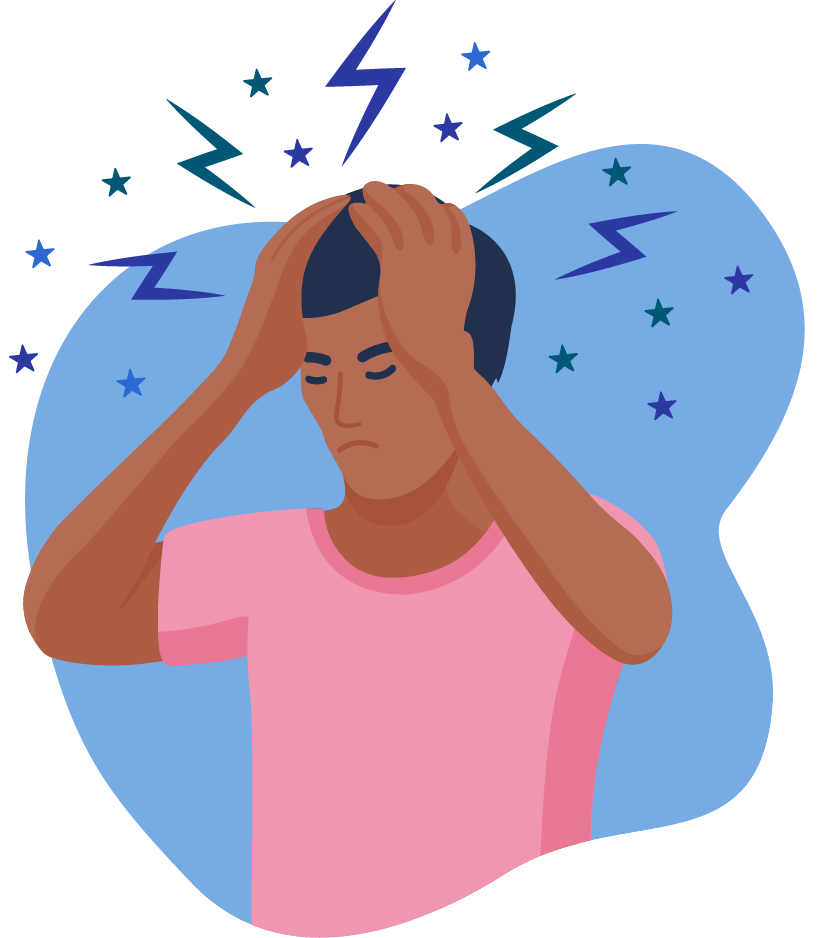
Are your headaches a symptom of migraine? Get a quick assessment.
Get updates directly to your inbox.




 Continue with Facebook
Continue with Email
Continue with Facebook
Continue with Email
Continue with Facebook
Continue with Email
Continue with Facebook
Continue with Email
Become a member to get even more





 Join
Join


 Your Privacy Choices

This is a member-feature!
Sign up for free to view article comments.
I used to have typical migraines which stopped for several years while I was having children. Returned as just an aura with no pain. very frightening for the first time, Was concerned I was having a… read more
We'd love to hear from you! Please share your name and email to post and read comments.
You'll also get the latest articles directly to your inbox.