
Powered By



If migraine runs in your family, you may wonder whether it made you more likely to develop the condition. The answer is not that simple. Migraine does have a hereditary component, but having a close relative with migraine can raise your risk without guaranteeing that you’ll develop the condition.
Several MyMigraineTeam members have mentioned migraine running in their families. One member said, “I have had chronic migraine since age seven. Mine are hereditary. My grandma, aunt, uncle, cousin, second cousin, nephew all have chronic migraine.”
Researchers now understand that migraine is usually influenced by many genes working together, along with nongenetic factors like stress, sleep changes, hormones, and other triggers.
That means two people in the same family can have very different migraine experiences, or one may have migraine while another never does.
Many people with migraine have a family history of the condition. Researchers consider migraine a condition with a strong genetic and family pattern.
The most common forms of migraine are considered polygenic, which means they’re linked to many genetic variants rather than one single faulty gene. These variants appear to affect how certain nerve cells in the brain work.
At the same time, migraine is not usually passed down in a simple one-gene pattern. People may have genes that increase their risk, but outside factors play a big role in whether they actually get migraine attacks.
Family and twin studies suggest that inherited factors play an important role in migraine. Studies from the 90s estimated that inherited factors may account for about 35 percent to 60 percent of migraine risk.
Newer research estimated around 42 percent. That still leaves a large role for nongenetic influences.
This helps explain why migraine can run in families without affecting everyone in the same way. One family member may have occasional migraine without aura, another may have migraine with aura, and another may carry some of the same risk factors but never develop migraine at all.
Although having a close relative with migraine raises your chance of developing it yourself, that risk depends on the type of migraine and which family members are affected.
Population studies show that a first-degree relative (parent, sibling, or child) of someone with migraine is 1.5 to 4 times more likely to have migraine compared to the general population.
A 2019 study published in Cephalalgia found that migraine in a mother was associated with higher odds of migraine in the child. Migraine in a father is also associated with increased odds, though less strongly.
Overall, we know that up to 80 percent of people with migraine have a first-degree relative with migraine. Remember, these numbers are useful for general context, but they are not a guarantee of what will happen in any one family.
The type of migraine in your family can also affect the risk. Migraine with aura has a higher heritability than migraine without aura.
Even if migraine runs in your family, genes are only part of the picture. Nongenetic factors can still play a big role in whether attacks happen and how often they happen.
Common migraine triggers include:
Hormonal influences may be especially important. According to the National Institute of Neurological Disorders and Stroke, migraine affects women more often than men.
Hormone changes tied to menstruation, pregnancy, birth control, and menopause can affect migraine frequency and severity.
Nongenetic factors are part of the reason family history is not destiny. You may inherit a tendency toward migraine, but your attack pattern can still be shaped by your daily habits, hormone changes, environment, and other health factors.
While most migraine cases are complex and involve many genes, some rare types have a much clearer genetic link.
The best-known example is familial hemiplegic migraine, a rare subtype of migraine with aura that can cause temporary weakness on one side of the body.
Familial hemiplegic migraine has been linked to autosomal dominant mutations (changes) in four specific genes:
Familial migraine-with-aura studies have also revealed mutations in genes like KCNK18/TRESK, which alter potassium-channel function.
This condition is typically inherited in an autosomal dominant pattern. This means one altered copy of the gene (inherited from one parent) can be enough to cause the disorder.
However, these particular genes don’t appear to play a role in inheriting common migraine.
Even in this rare subtype, though, the picture is not always perfectly predictable. Some people who inherit a related gene change may never develop symptoms.
Although rare single-gene forms of migraine do exist, they usually aren’t the reason migraine runs in families.
If migraine runs in your family, it may help to be more alert to symptoms, especially if you have recurring headaches with nausea, light sensitivity, sound sensitivity, or visual changes. Family history can be especially helpful under certain circumstances.
Migraine often begins in the teen years or early adulthood, though it can start earlier or later. If a child or teen has repeated headaches and there’s a strong family history of migraine, it’s a good idea to talk with a healthcare provider.
Migraine with aura has a stronger hereditary component than migraine without aura. Aura can include:
These symptoms can happen before or during an attack.
A doctor should evaluate new neurological symptoms, weakness, confusion, or headache features that are different from your usual pattern. Rare subtypes like hemiplegic migraine need medical attention and a careful diagnosis.
Family history is most useful when it’s specific. If you can, ask relatives whether they’ve been diagnosed with migraine, what symptoms they had, and whether they had aura.
Before a visit with your doctor, it may help to write down:
This kind of information can help your healthcare provider decide whether your headaches fit a migraine pattern and whether you may need treatment, prevention strategies, or referral to a neurologist or headache specialist.
You can’t change your genes, but you can take steps to better understand your migraine risk and manage symptoms early.
Practical steps include:
Migraine in children can be easy to overlook. If your child has recurring moderate to severe headaches that affect daily life and come with symptoms like nausea, vomiting, stomach pain, paleness, fatigue, or irritability, migraine may be the cause.
Migraine may also be more likely if exams are normal between episodes. It’s important to notice these symptoms because they can interfere with school, play, or other activities.
Knowing that migraine runs in your family can be frustrating, but it can also be useful. Family history may help you recognize symptoms sooner, get evaluated earlier, and build habits that may reduce attacks over time.
On MyMigraineTeam, people share their experiences with migraine, get advice, and find support from others who understand.
How has migraine shown up in your family? Let others know in the comments below.
References
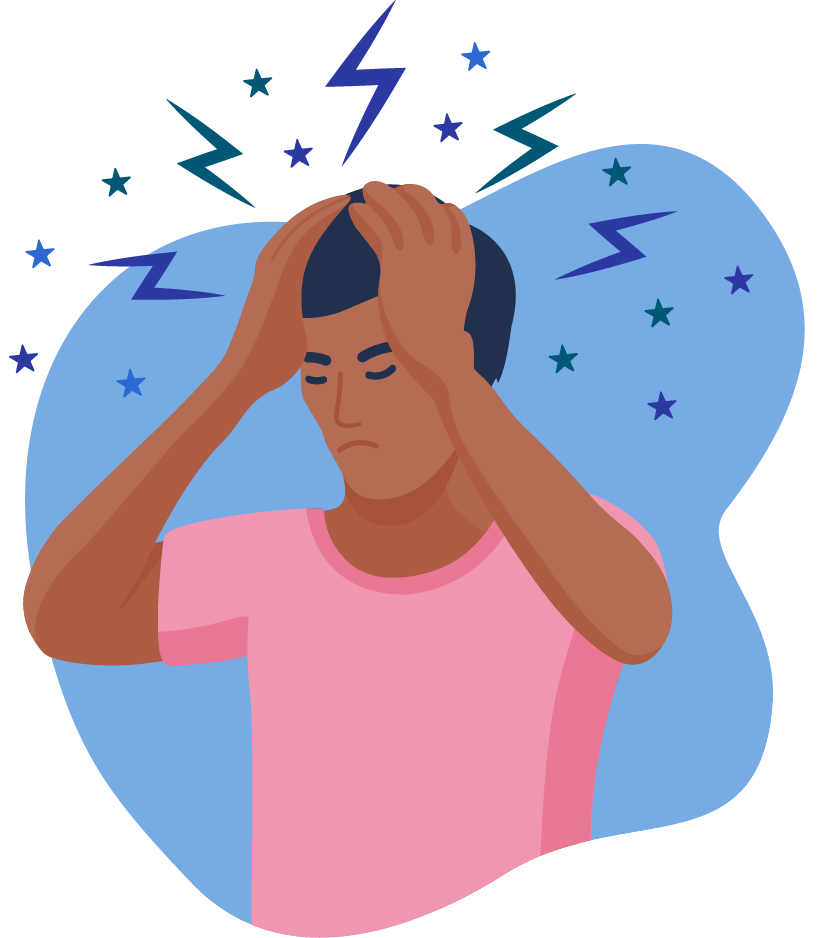
Are your headaches a symptom of migraine? Get a quick assessment.
Get updates directly to your inbox.




 Continue with Facebook
Continue with Email
Continue with Facebook
Continue with Email
Continue with Facebook
Continue with Email
Continue with Facebook
Continue with Email
Become a member to get even more





 Join
Join



 Your Privacy Choices

This is a member-feature!
Sign up for free to view article comments.
I have ocular migraines a neurologist told me to take butter but I quit taking it three months ago only had one episode lasted 20 minutes
We'd love to hear from you! Please share your name and email to post and read comments.
You'll also get the latest articles directly to your inbox.